
Planning your first adventure to Egypt can feel overwhelming. The history is ancient, the landscapes are vast, and the cultural experiences are layered and complex. That’s exactly why this Egypt travel guide was created — to simplify your planning, answer your biggest questions, and inspire you with unforgettable photo ideas along the way. Whether you’re wondering how many days you need in Egypt, asking yourself if Egypt is expensive to visit, or researching travel safety, this guide will walk you through it all. And if you’re dreaming about capturing your once-in-a-lifetime journey professionally, you’ll find plenty of inspiration here, too. Egypt is not just a destination — it’s an experience of scale, contrast, and timeless beauty. Let’s begin.
Egypt Travel Guide: First-Time Essentials for Beginners
You may have grown up dreaming of visiting the land of pyramids – Egypt, wandering through walls and corridors that are filled with hieroglyphics. Were you always captivated by the tales from Egyptian mythology? If yes, you’d be taken aback once you visit Egypt, the place of archaeological and historical treasures.
Despite doing boatloads of market research on this country and asking experienced travelers about tips to visit Egypt, once you’re there, you’ll always find certain elements for which you were just not prepared. This is why you should go through this travel guide before finalizing your next vacation photo shoot in Egypt.
Where Should You Go in Egypt?
Undoubtedly, Egypt is home to one of the grandest and oldest sites in the world. There’s a lot more to Egypt than just the Giza Pyramid. From Cairo, you can take a day trip to the lesser-known pyramids, Dahshur and Saqqara. You may even spend a day or two visiting the mosques and churches found in Cairo, going out for a walk in Old Cairo, and brushing up on your history lessons at the Egyptian Museum, visiting the Mosque of Muhammad Ali, Al Azhar Park, or walking across the beautiful Muizz Street. Located on the Mediterranean Sea, Alexandria can also make an engaging and interesting day trip from Cairo. When you’re in Luxor, you can not only visit the perfectly decorated tombs of the queens of Egypt, but also visit the Temple of Luxor or the Karnak Temple.
Egypt’s travel destinations are surprisingly diverse. From bustling capital streets to tranquil Nile sunsets and coral-rich Red Sea coastlines, the country offers multiple layers of experience. First-time visitors often combine Cairo, Luxor, and Aswan with a short Red Sea stay in Hurghada or Sharm El Sheikh.
If you’re asking how many days you need in Egypt, the sweet spot for beginners is 8–12 days. That gives you enough time to explore Cairo, enjoy a Nile cruise between Luxor and Aswan, and relax by the sea.

Solo photoshoot by Mustafa, Localgrapher in Luxor
Did You Know That the Pyramids of Egypt are Anti-climactic?
Once you discover the congested and high-traffic highways of Cairo, a city that is home to over 10 million people, you’ll understand that the ideal image of the pyramids amidst a background of never-ending deserts is a sly trick. The Pyramid of Giza lies on the western bank of the Nile, while many travelers imagine the pyramids standing in complete desert isolation, the reality is more nuanced. Modern Cairo has expanded dramatically over the past century, and the city now reaches close to the edge of the plateau.
However, once you step onto the desert sands and turn away from the urban side, the vast openness of the Sahara quickly restores that timeless atmosphere people associate with ancient Egypt.
Despite all that, nothing can distract you from the beauty of Giza, one of the Seven Wonders of the Ancient World. The pyramids form part of the UNESCO World Heritage Site “Memphis and its Necropolis – the Pyramid Fields from Giza to Dahshur.” This protected area includes not only the pyramids of Giza, but also the ancient sites of Saqqara and Dahshur, making it one of the most significant archaeological landscapes in the world.
The shadow of the pyramids provides shelter to the camel owners who sit there to take a break in between rides. Clicking a photograph with one such camel can cost from $10. Although the majority of the camels look healthy and fine, this is an activity that isn’t suited for every traveler.

Couple photoshoot by Halim, Localgrapher in Cairo
When is the Best Time to Visit Egypt?
The best time to visit Egypt is from October to April, when temperatures are significantly milder, and sightseeing is far more comfortable. During these months, daytime highs are pleasant in Cairo and along the Nile, making it ideal for exploring ancient temples, pyramids, and bustling markets without the intense summer heat.
From May to September, temperatures rise dramatically—especially in Upper Egypt, including Luxor and Aswan, where daytime highs frequently reach 40–45°C (104–113°F). While Egypt is generally a dry country rather than a humid one, coastal cities such as Alexandria can feel more humid in summer due to Mediterranean breezes. The advantage of traveling during the hotter months is fewer crowds and lower prices, but outdoor sightseeing can be physically demanding.
If you’re planning photography, early mornings and golden hour before sunset are essential year-round. The desert light is soft, golden, and cinematic — perfect for romantic couple portraits or solo travel storytelling.

Solo photoshoot by Localgrapher in Cairo
Is Egypt Safe to Travel?
It will be rather irresponsible for anyone to claim that ‘Egypt is safe’ only if you have never been subject to any issues. There have already been several examples of devastating and dangerous attacks targeting both the citizens of Egypt and tourists across the nation, and hence you have to be watchful.
No, you can’t guarantee 100% safety to people, but it is believed that security and safety are an issue that needs to be kept in mind seriously before traveling to a place like Egypt. Though harmful crime is uncommon, you should still stay alert about petty crimes and scams.
The long list of mega sights and consistent tourism clearly means that traveling here is an overwhelming task. However, that doesn’t make it inaccessible. Unravel the rich history of Egypt along with its fabled culture and help the country rebuild its economy.
When considering Egypt travel safety in 2026, most official travel advisories highlight that tourist areas such as Cairo, Luxor, Aswan, and Red Sea resorts are well monitored. Staying informed, using licensed guides, and avoiding restricted regions are smart practices.

Family photoshoot by Amir, Localgrapher in Cairo
Is Egypt Expensive to Visit?
A common question for beginners is: Is Egypt expensive to visit? Compared to many European destinations, Egypt is relatively affordable. Accommodation ranges from budget hostels to luxury Nile cruises. Meals at local restaurants are inexpensive, while high-end hotel dining matches international pricing.
So, how much does it cost to travel to Egypt? On average:
- Budget traveler: $40–70 per day
- Mid-range traveler: $80–150 per day
- Luxury traveler: $250+ per day
Costs vary depending on internal flights, cruise options, and guided tours. Entrance fees to major archaeological sites can add up, so budgeting in advance is wise.
In short, if you’re still asking, “Is Egypt expensive to visit?“, the answer is: it can be as affordable or luxurious as you design it.

Solo photoshoot by Localgrapher in Cairo
Egypt rewards prepared travelers. Understanding logistics, costs, and timing ensures you focus less on stress and more on awe. A thoughtful approach transforms your first journey from overwhelming to unforgettable.
Top 10 Must-See Places in Egypt for Stunning Photos
Egypt’s landscapes are cinematic by nature. From monumental architecture to serene riversides, these Egyptian travel destinations are unforgettable for beginners and photographers alike. If you’re following this Egypt travel guide step by step, these ten locations — along with practical Egypt travel tips for timing, lighting, and avoiding peak crowds — will give you a perfect balance of history, atmosphere, and truly spectacular photo opportunities.
The Pyramids of Giza
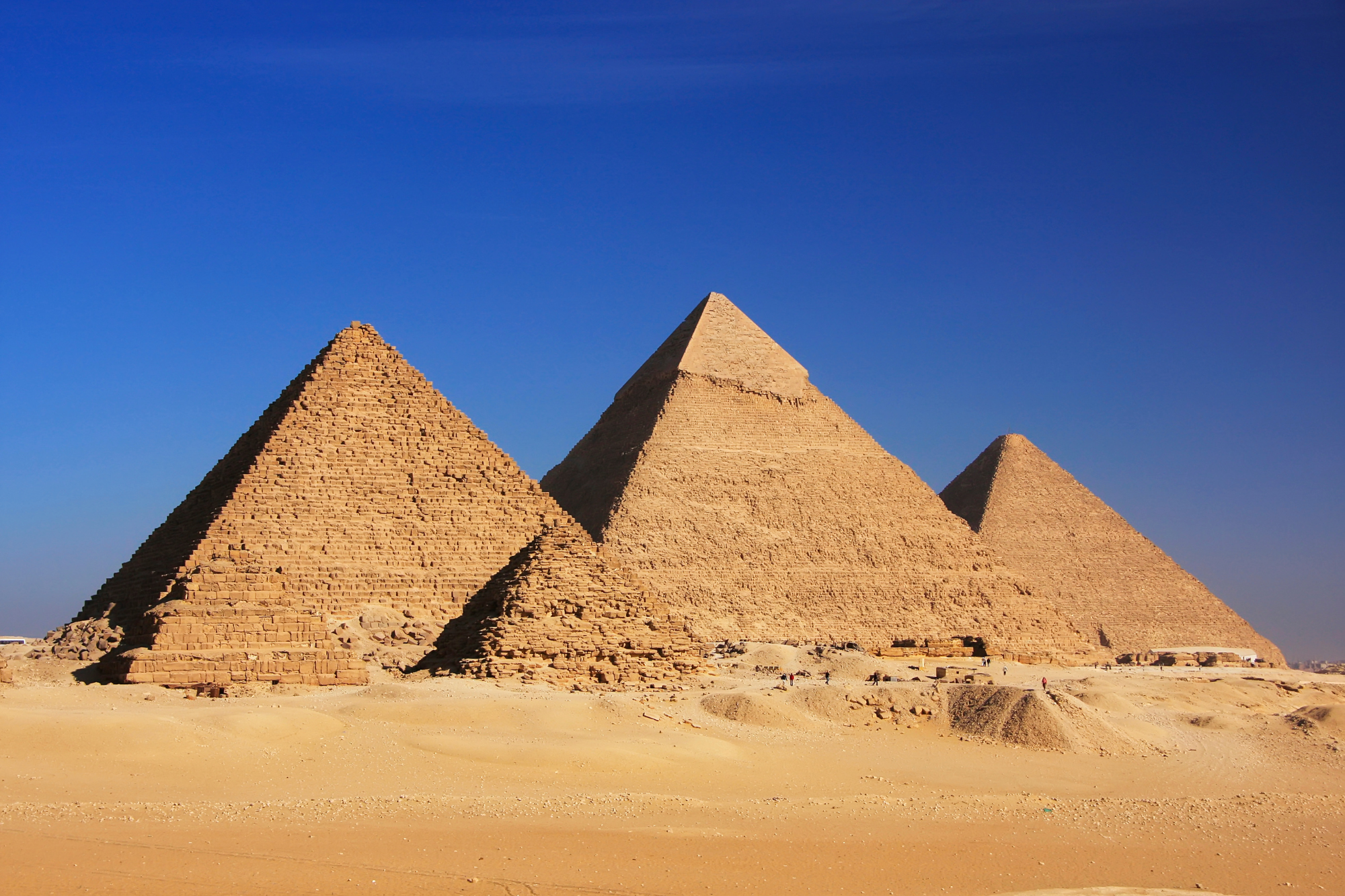
No Egypt travel guide would be complete without them. The Pyramids of Giza are not only Egypt’s most iconic landmark but also one of the most recognizable silhouettes in the world. Standing before the Great Pyramid instantly puts history into perspective — it has been here for over 4,500 years.
For photography, sunrise and sunset provide the most dramatic lighting. Early morning offers softer tones and fewer crowds, while golden hour creates warm desert hues that feel timeless. Walk slightly away from the main viewing platform to capture cleaner desert backdrops, and consider wide-angle compositions that show the scale between you and the pyramids.
Saqqara & Dahshur
Quieter and atmospheric — perfect for wide desert shots. While Giza draws the crowds, Saqqara and Dahshur feel calmer and more expansive. The Step Pyramid of Djoser in Saqqara is considered the earliest colossal stone building in Egypt, and its layered structure photographs beautifully against open skies.
At Dahshur, the Bent Pyramid and Red Pyramid offer unique shapes and far fewer visitors. If you’re wondering how many days do you need in Egypt, adding half a day for these sites makes your experience richer and less rushed. The emptier desert setting allows for minimalist compositions that feel almost surreal.

Luxor Temple
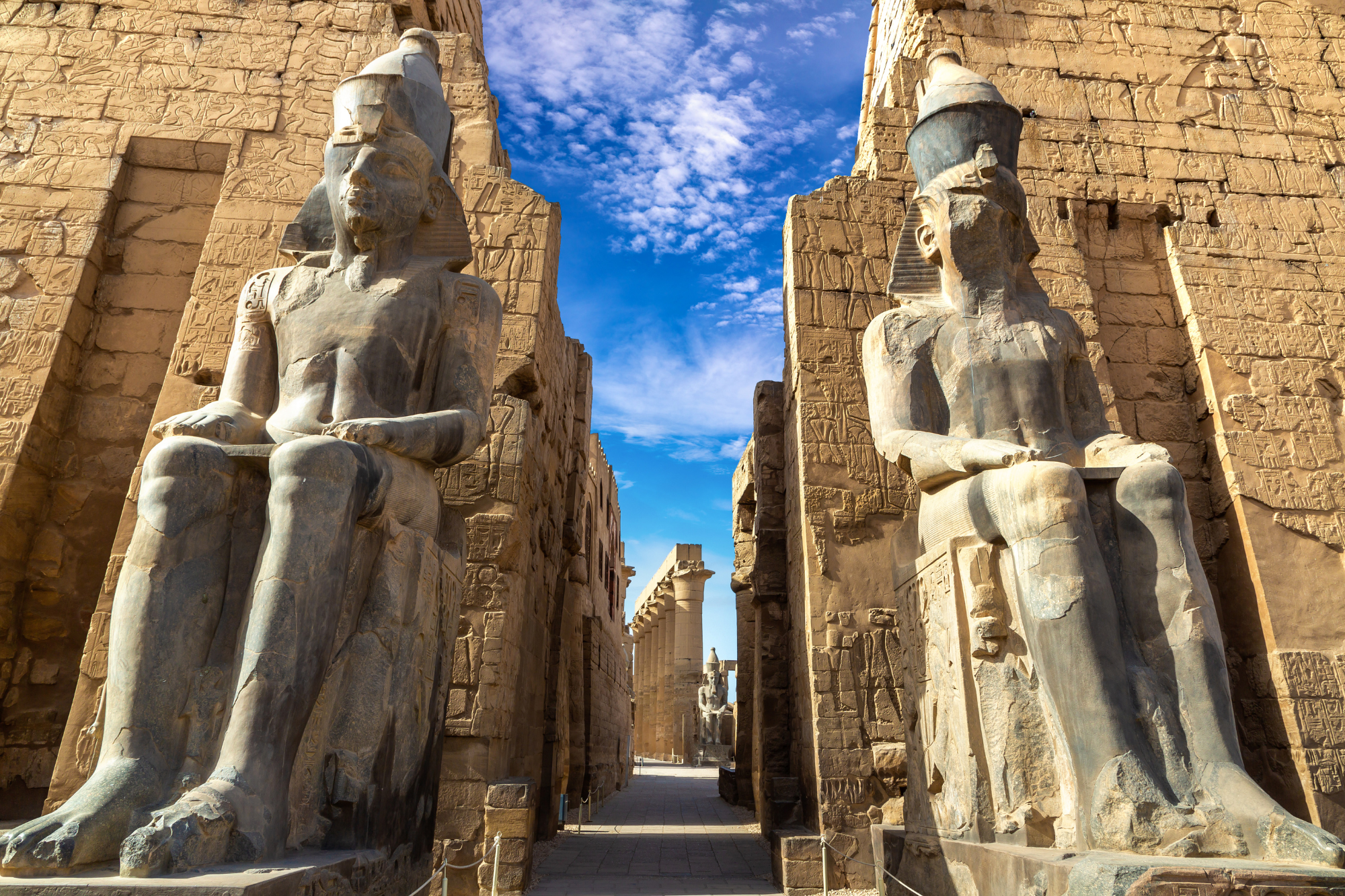
Magical at night when illuminated. Luxor Temple sits right in the modern city, yet once inside, the outside world fades away. Massive columns, statues, and hieroglyph-covered walls glow beautifully after sunset when warm lighting enhances every carved detail.
Evening photography here feels cinematic. The contrast between deep blue twilight skies and golden temple lights creates dramatic portraits and atmospheric silhouettes. For couples or solo travelers, this setting adds elegance and depth to travel images.
Karnak Temple
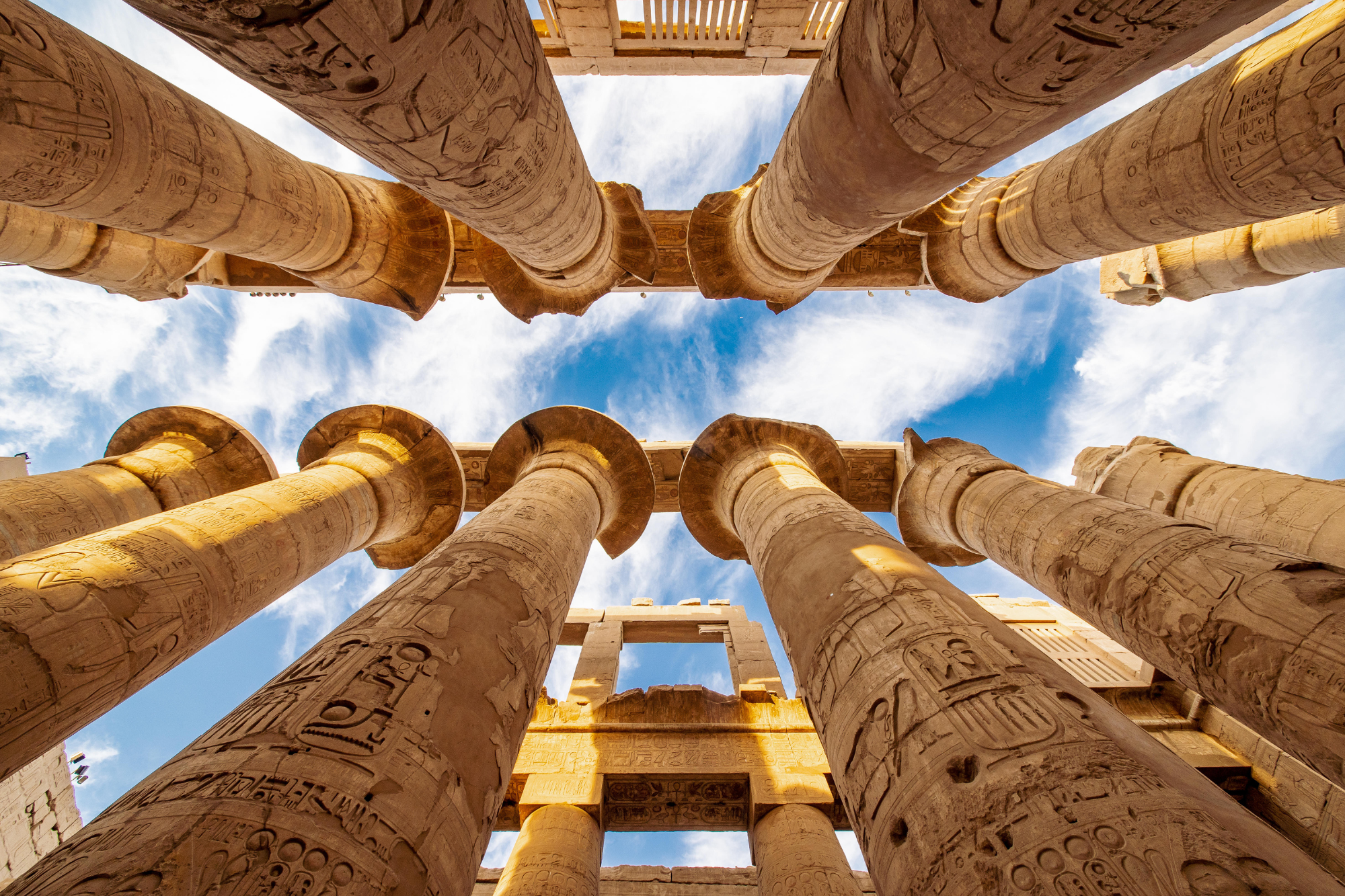
The scale is staggering. Karnak is less a single temple and more an entire sacred city. The Hypostyle Hall, with its forest of towering columns, is one of the most visually impressive spaces in all Egyptian travel destinations.
Arrive early to capture soft morning light streaming between columns. The repeating patterns and symmetry create powerful compositions. This is one of those locations where stepping back and including a human figure in the frame emphasizes the monument’s monumental scale.
Valley of the Kings
Intricate interiors demand careful photography. Located on Luxor’s West Bank, the Valley of the Kings holds elaborately decorated tombs carved deep into desert cliffs. The colors inside many tombs remain remarkably vivid.
Photography rules vary, so always check regulations before entering. Even without interior photos, the surrounding desert landscape — with its layered hills and dry textures — creates strong, earthy backdrops. It’s one of the most historically dense places featured in any Egypt travel guide.

Abu Simbel
Epic and remote. Abu Simbel feels almost mythic. Located near Lake Nasser in southern Egypt, these colossal statues of Ramses II seem carved directly from legend.
The remoteness adds to its magic. Sunrise here is especially powerful when soft light gradually reveals the temple façade. If you’re calculating how much it costs to travel to Egypt, consider budgeting for the early morning flight or transfer — it’s one of the country’s most unforgettable sights.

Aswan & Philae Temple
Romantic Nile backdrops define Aswan. The slower pace of this southern city makes it feel more relaxed compared to Cairo or Luxor. A felucca ride at sunset creates soft, glowing portraits with the Nile as a natural frame.
Philae Temple, located on an island, feels especially photogenic. Reflections in the water and warm stone textures combine beautifully during golden hour. For many beginners, this stop answers the question: Is Egypt expensive to visit? — because experiences here often feel luxurious while remaining affordable.

White Desert
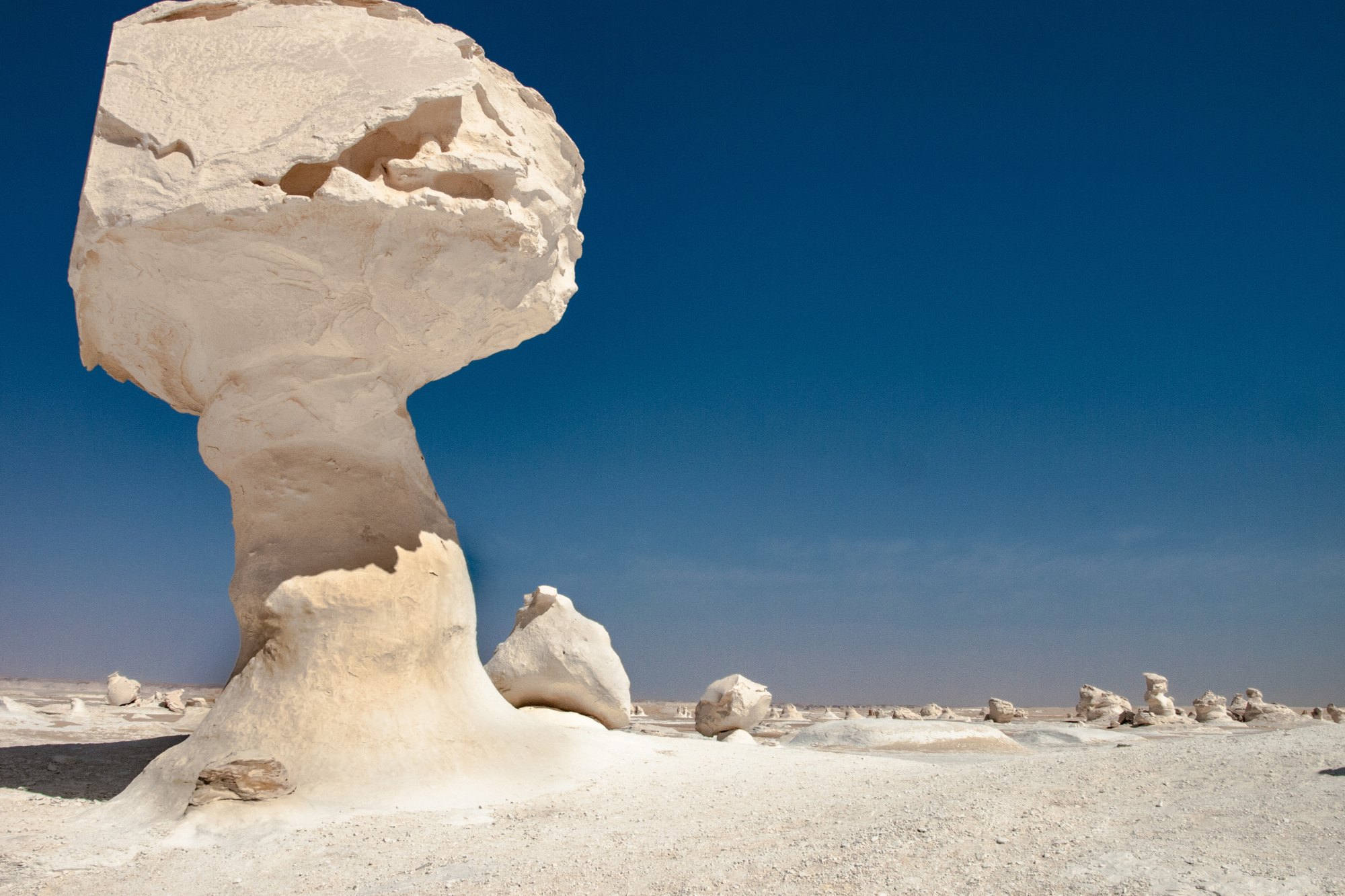
Surreal limestone formations make the White Desert look almost extraterrestrial. Wind-sculpted white rocks rise from golden sand, creating one of Egypt’s most unusual natural landscapes.
Camping overnight allows you to photograph sunset, starlit skies, and sunrise. The contrast between white formations and blue sky feels clean and minimalist — perfect for travelers seeking something beyond temples and pyramids.
Red Sea (Hurghada or Sharm El Sheikh)
Crystal-clear waters are perfect for relaxed portraits. After days of temple-hopping, the Red Sea offers rest and rejuvenation. Turquoise water, soft sand, and colorful coral reefs create bright, refreshing imagery.
Snorkeling, diving, or simply walking along the beach at sunset allows for natural, candid moments. If you’re wondering how many days do you need in Egypt, adding two days by the sea helps balance cultural exploration with relaxation.

These iconic locations define most beginner itineraries and represent the heart of any thoughtful Egypt travel guide. When planning how many days you need in Egypt, prioritize a balance between ancient monuments and restorative coastal time. Mixing pyramids, temples, desert landscapes, and the Red Sea ensures your experience feels complete rather than rushed. Egypt is layered — visually, historically, and emotionally. The more variety you include in your journey, the richer your story (and your photo album) will become.
“Travel isn’t about checking places off a list; it’s about standing somewhere that changes you.” – Anonymous
Top 5 Activities for Any Beginner Traveler
Egypt is not just about sightseeing — it’s about experiences. The monuments may be the headline, but the moments you live in between are what you’ll remember most. This section of our Egypt travel guide highlights five essential activities that help first-time visitors connect more deeply with the country’s rhythm, culture, and landscapes.
For beginners, especially, balancing structured sightseeing with immersive experiences makes the trip feel complete rather than overwhelming.
Try On Traditional Egyptian Outfits & Explore in Style
Stepping into traditional Egyptian clothing is one of the most fun and immersive experiences you can add to your itinerary. Instead of simply observing history, you momentarily feel connected to it. Many travelers choose to try on flowing galabeyas, elegant kaftans, or pharaonic-inspired dresses near historic sites or in carefully selected studios that specialize in cultural costume experiences. This activity blends exploration with creativity. After selecting your outfit, you can stroll near iconic backdrops — desert landscapes, temple columns, or Nile views — while capturing striking, story-rich photos.

Solo photoshoot by Halim, Localgrapher in Cairo
Explore Local Markets
Egypt’s markets — or souks — are vibrant, sensory, and unforgettable. Khan el-Khalili in Cairo is the most famous, but smaller local markets throughout Luxor and Aswan feel equally authentic. Exploring markets introduces you to everyday Egyptian life. Spices stacked in pyramids, hanging lanterns, colorful textiles, and handwoven baskets create dynamic, textured scenes. It’s also an opportunity to practice cultural awareness and patience. Bargaining is common, but respectful interaction goes a long way.

Ride a Felucca at Sunset
A felucca is a traditional wooden sailboat that glides quietly across the Nile. Simple, wind-powered, and timeless, it offers one of the most peaceful experiences you can have in Egypt. Unlike motorboats, feluccas move gently, allowing you to fully absorb the scenery. Palm trees sway along the banks, birds skim the water, and the sky gradually shifts from gold to deep orange.
Many travelers researching Egypt travel safety in 2026 feel reassured knowing these boat rides are typically organized through hotels or licensed captains. Booking through reputable providers ensures both comfort and peace of mind.

Snorkel in the Red Sea
After days of temples and desert heat, the Red Sea feels like a reward. Whether you’re staying in Hurghada or Sharm El Sheikh, snorkeling introduces you to vibrant coral reefs and colorful marine life. The water clarity here is exceptional. Even beginners can enjoy shallow reef areas safely with guided tours. Floating above coral gardens, you’ll see schools of fish in electric blues and yellows — a completely different side of Egypt compared to its desert landscapes.

Book a Professional Photoshoot
Among all experiences in this Egypt travel guide, this one transforms your memories into something tangible. A professional photoshoot is one of the most meaningful ways to document your first trip. Whether you’re celebrating a honeymoon, anniversary, family holiday, or solo milestone, local photographers know the angles, light, and hidden perspectives that elevate simple travel pictures into timeless keepsakes.
It’s not about stiff posing. It feels more like a relaxed walk through history, guided gently for natural, flattering moments. A photographer understands how to position you against monumental backdrops like the Pyramids of Giza or the columns of Karnak without making the scene feel crowded or staged.

Couple photoshoot by Halim, Localgrapher in Cairo
Activities connect you emotionally to a destination. In every thoughtfully crafted Egypt travel guide, immersive experiences matter just as much as monuments. Temples impress you. Desert landscapes humble you. But sailing the Nile, bargaining in a market, snorkeling in turquoise waters, or sharing a quiet moment during a photoshoot — those are the experiences that stay with you. Egypt is not only meant to be seen. It’s meant to be felt.
Top 6 Photo Inspiration (Poses, Outfits & More)
Egypt is dramatic, textured, and naturally cinematic. The Egyptian backdrop is powerful — your styling should complement, not compete with it. Think movement, softness, and authenticity rather than overly styled perfection. When planned thoughtfully, your photos will feel timeless rather than trendy. Here’s how to make the most of Egypt’s golden light, ancient architecture, and desert atmosphere.
Flowing Neutral Dresses in the Desert
There is something magical about fabric moving in the desert wind. Long, flowing dresses in beige, ivory, sand, soft blush, or muted sage create a beautiful contrast against the warm tones of the Sahara. The simplicity of neutral colors allows the pyramids and dunes to remain the stars of the frame.
Movement is key here. Walk slowly, turn gently, let the hem of your dress catch the breeze. A professional photographer will often guide you into natural motion rather than static poses. The result? Photos that feel effortless and cinematic.
For men, light cotton shirts in cream, light gray, or dusty blue pair beautifully with the desert palette.

Solo photoshoot by Localgrapher in Cairo
Light Linen for Couples
Linen is your best friend in Egypt — both practically and visually. It breathes in warm weather and photographs beautifully in natural light. Coordinated but not matching outfits work best for couples. Think soft neutrals with one subtle accent color.
For example:
- Beige trousers + white linen shirt
- Flowing cream dress + soft blue button-down
- Light brown + sage combination
The goal is harmony, not duplication. When planning a couples session, soft textures and relaxed silhouettes create romantic, natural moments that don’t feel staged. This approach works especially well at Nile viewpoints or during sunrise at Giza.

Couple photoshoot by Amir, Localgrapher in Cairo
Silhouettes at Sunset
Egyptian sunsets are unforgettable. The sky often turns shades of gold, coral, and dusty rose — especially along the Nile or in the desert.
Silhouette shots are simple but powerful:
- Hold hands while walking across a dune
- Stand facing each other near the temple columns
- Sit side by side overlooking the river
Ask your photographer to position you slightly higher on a ridge or stairway so the horizon line stays clean. Silhouettes are less about facial expression and more about shape and emotion — a perfect option for couples celebrating an anniversary, engagement, or honeymoon.

Walking Shots Along the Nile
Some of the most authentic travel photos are taken while you’re simply moving. Walking along the Nile promenade in Aswan, stepping through temple corridors in Luxor, or strolling beside palm trees at golden hour creates candid storytelling imagery.
Instead of looking at the camera, try:
- Talking and laughing naturally
- Looking toward the water
- Adjusting sunglasses or brushing hair away
Movement reduces stiffness and helps beginners feel comfortable. These moments feel more like documentary photography — capturing you experiencing Egypt rather than just posing in front of it.

Solo photoshoot by Halim, Localgrapher in Cairo
Elegant Temple Portraits
Temples like Luxor and Karnak offer grandeur and symmetry. The towering columns and detailed hieroglyphs create powerful vertical lines that elevate portrait photography.
Here, posture matters slightly more:
- Stand tall with relaxed shoulders
- Walk slowly between columns
- Frame yourself in archways
Avoid dramatic fashion styling that overwhelms the historic setting. Instead, opt for timeless elegance — long skirts, tailored trousers, or simple dresses in muted tones. Temple portraits often feel the most “epic,” especially in early morning light when crowds are minimal.

Couple photoshoot by Mustafa, Localgrapher in Luxor
Styling Tips for Egypt
Soft earth tones, creams, sand, sage, and muted blues work beautifully against golden desert landscapes. Avoid overly bright neon colors, heavy black, or loud prints that distract from the scenery.
Additional tips:
- Comfortable footwear is essential (many sites involve walking on uneven stone or sand)
- Light layers help with temperature changes between morning and evening
- Sunglasses can add a stylish, modern touch — but remove them for key portraits
Remember, Egypt’s beauty is in its texture and scale. Simplicity allows that scale to breathe in your photos.

Solo photoshoot by Localgrapher in Cairo
Photography transforms memories into something tangible. In a destination layered with 5,000 years of history, capturing your own story feels deeply meaningful. Whether you choose flowing desert silhouettes or intimate Nile-side moments, the goal isn’t perfection — it’s connection. The monuments may be ancient, but your story there is uniquely yours.
“The best photos are not posed — they’re felt.” – Unknown
Egypt Travel Guide: FAQs
Planning your first trip often brings practical concerns. Here are answers beginners frequently search for.
Q: How many days do you need in Egypt?
A: Ideally 8–12 days. This allows Cairo, Luxor, Aswan, and a short stay in the Red Sea without rushing.
Q: Is Egypt expensive to visit?
A: For most travelers, Egypt is affordable compared to Europe. Luxury options exist, but budget and mid-range travel are very manageable.
Q: What about Egypt travel safety (2026)?
A: Major tourist zones remain monitored and widely visited. Staying informed and using reputable services ensures a smooth experience.
A well-prepared traveler enjoys Egypt with confidence and clarity.
Your first journey to Egypt is something you’ll remember forever. This Egypt travel guide was designed to answer your essential questions — from how much does it cost to travel to Egypt to is Egypt expensive to visit — while also inspiring you to see beyond logistics. Egypt is layered, emotional, and cinematic. The monuments are ancient, but your story there is brand new. Whether you’re exploring iconic Egyptian travel destinations or planning a once-in-a-lifetime photoshoot, the key is intention. Travel thoughtfully. Stay curious. And don’t forget to pause — sometimes the most powerful moment is simply standing still in front of something timeless.