
Jaipur is a city that reveals itself slowly, layer by layer. At first glance, it feels bold and theatrical: pink-hued streets, grand palaces, and an almost cinematic use of color and symmetry. But the longer you stay, the more nuanced it becomes. Quiet courtyards, early-morning rituals, and fleeting moments of everyday life add depth to what initially feels like spectacle. This Jaipur travel guide is written for travelers who want to experience both sides of the city—the iconic and the intimate.
This guide covers where to stay, what to see, how to experience Jaipur beyond the obvious, and how to capture it all in a way that feels natural and unforced. It’s designed for travelers who value meaning over rush—and for those who may be considering a professional photoshoot as part of their trip, without wanting it to feel staged or sales-driven.
Where to Stay in Jaipur: Palaces, Boutique Hotels & Heritage Havens
Accommodation in Jaipur is more than a practical choice—it’s part of the destination itself. Unlike many cities where hotels fade into the background, Jaipur’s stays often immerse you directly into the city’s history, design, and rhythm. When traveling to Jaipur, choosing the right place to stay can shape how connected you feel to the city from the very first morning.
Some travelers prefer to stay near the Pink City, where you’re surrounded by historic streets, markets, and temples. Others opt for heritage properties slightly removed from the center, where gardens and courtyards offer a slower pace and a sense of retreat after a day of exploring. Both options offer something special, and the best choice often depends on how you want your days to begin and end.
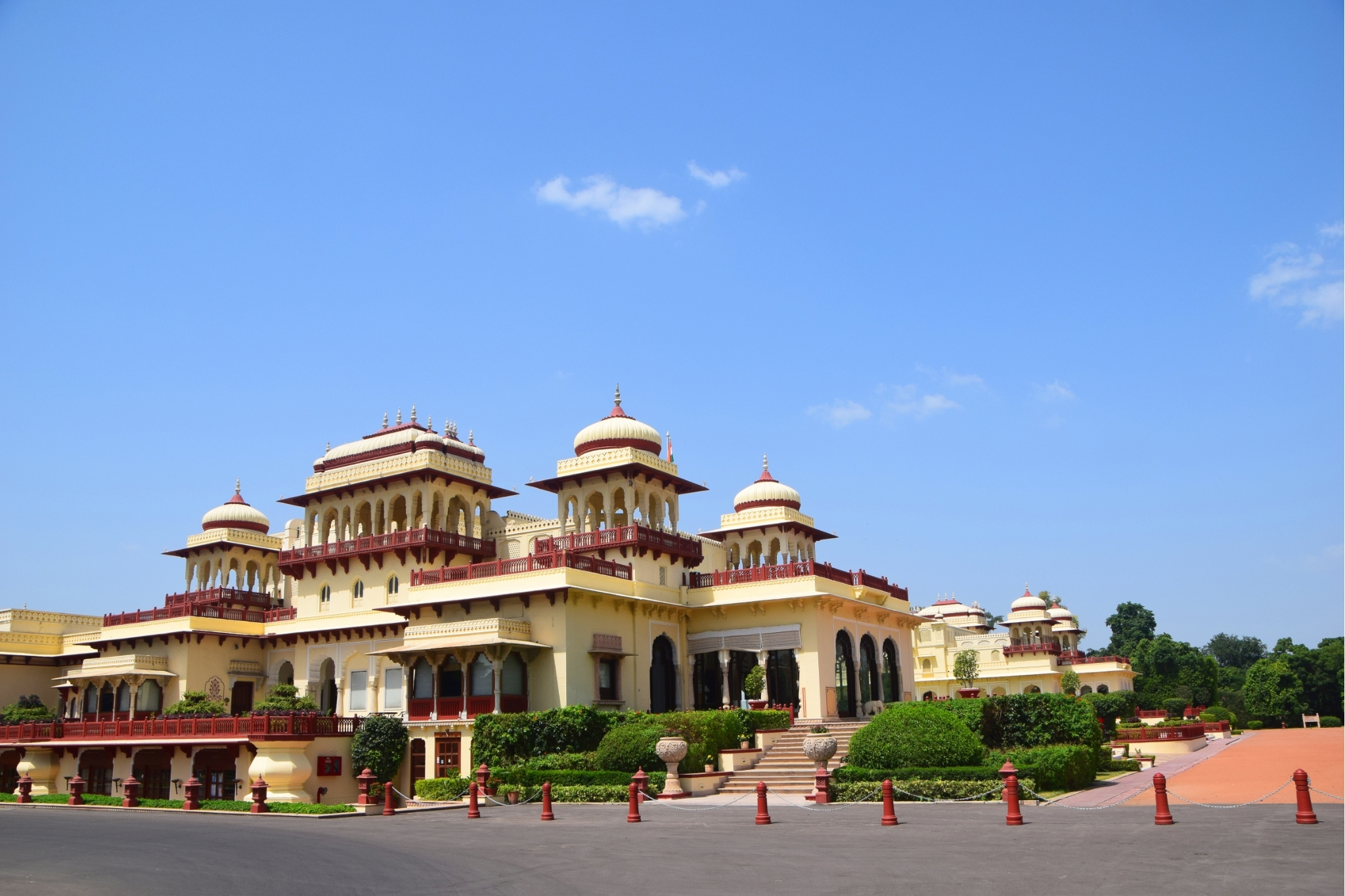
Rambagh Palace
Once home to Jaipur’s royal family, Rambagh Palace is an experience in itself. Expansive gardens, marble corridors, and richly detailed interiors create a sense of grandeur that feels timeless rather than overwhelming. Staying here allows you to experience Jaipur’s royal legacy from the inside, especially during quiet mornings and evenings when the palace feels almost private.
Samode Haveli
Set near the old city, Samode Haveli offers a more intimate take on heritage living. Its peaceful courtyards, traditional décor, and warm hospitality make it ideal for travelers who appreciate understated elegance and a strong sense of place without the scale of a palace hotel.

The Raj Palace
Bold, ornate, and deeply rooted in history, The Raj Palace is perfect for those who want their accommodation to feel dramatic and distinctive. Each suite tells a story, and the attention to detail makes every corner feel photograph-worthy.

Narain Niwas Palace
Blending heritage architecture with a creative, modern spirit, Narain Niwas Palace attracts travelers who enjoy design, culture, and a relaxed atmosphere. Its gardens and café spaces make it especially pleasant for slow mornings and unstructured afternoons.

Wherever you choose to stay, Jaipur’s hotels invite you to slow down. Moments spent in courtyards, on balconies, or over long breakfasts often become just as memorable as the city’s most famous landmarks—especially for travelers who enjoy letting a place unfold naturally.
What to See in Jaipur: Iconic Landmarks You Can’t Miss
Jaipur’s landmarks are some of the most recognizable in India, and for good reason. They’re bold, expressive, and deeply symbolic of the city’s royal past. Any well-rounded Jaipur travel guide includes these highlights, but the real key lies in experiencing them at the right pace and time of day.
Rather than trying to see everything at once, spreading these sights across multiple days allows each place to leave a stronger impression. Early mornings and late afternoons are especially rewarding when traveling to Jaipur, offering softer light and fewer crowds.
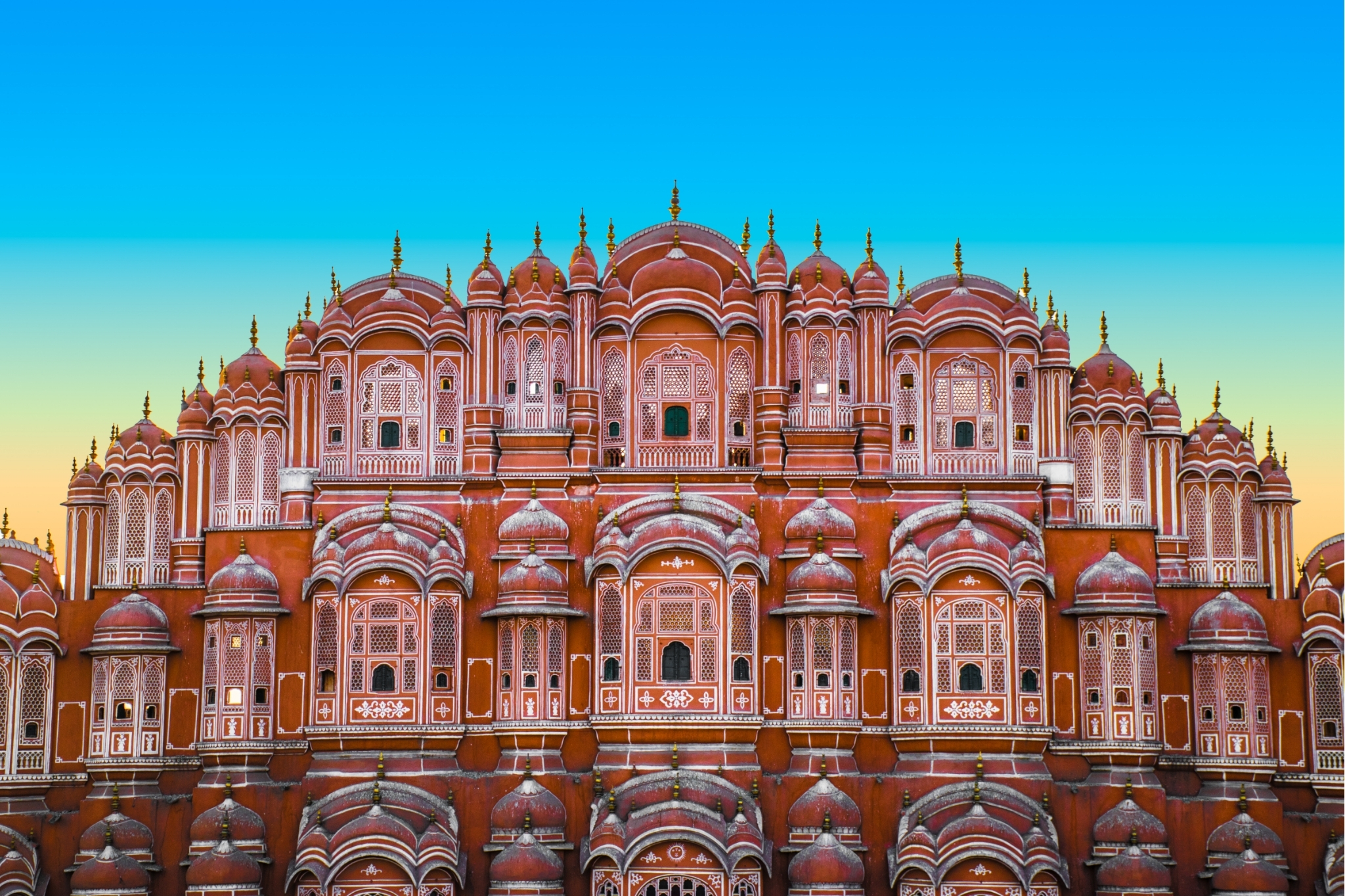
Hawa Mahal
The iconic Hawa Mahal is best seen in the early morning, when sunlight gently illuminates its intricate façade. At this hour, the surrounding streets are calmer, allowing you to appreciate both the architecture and its setting.
Amber Fort
Perched above the city, Amber Fort combines dramatic views with ornate interiors. Exploring its courtyards and mirrored halls offers insight into Jaipur’s royal lifestyle and the strategic importance of its location.

City Palace
Located in the heart of Jaipur, City Palace Jaipur blends active royal residence with museum spaces. Its courtyards, gates, and textiles make it one of the city’s most visually rich stops.

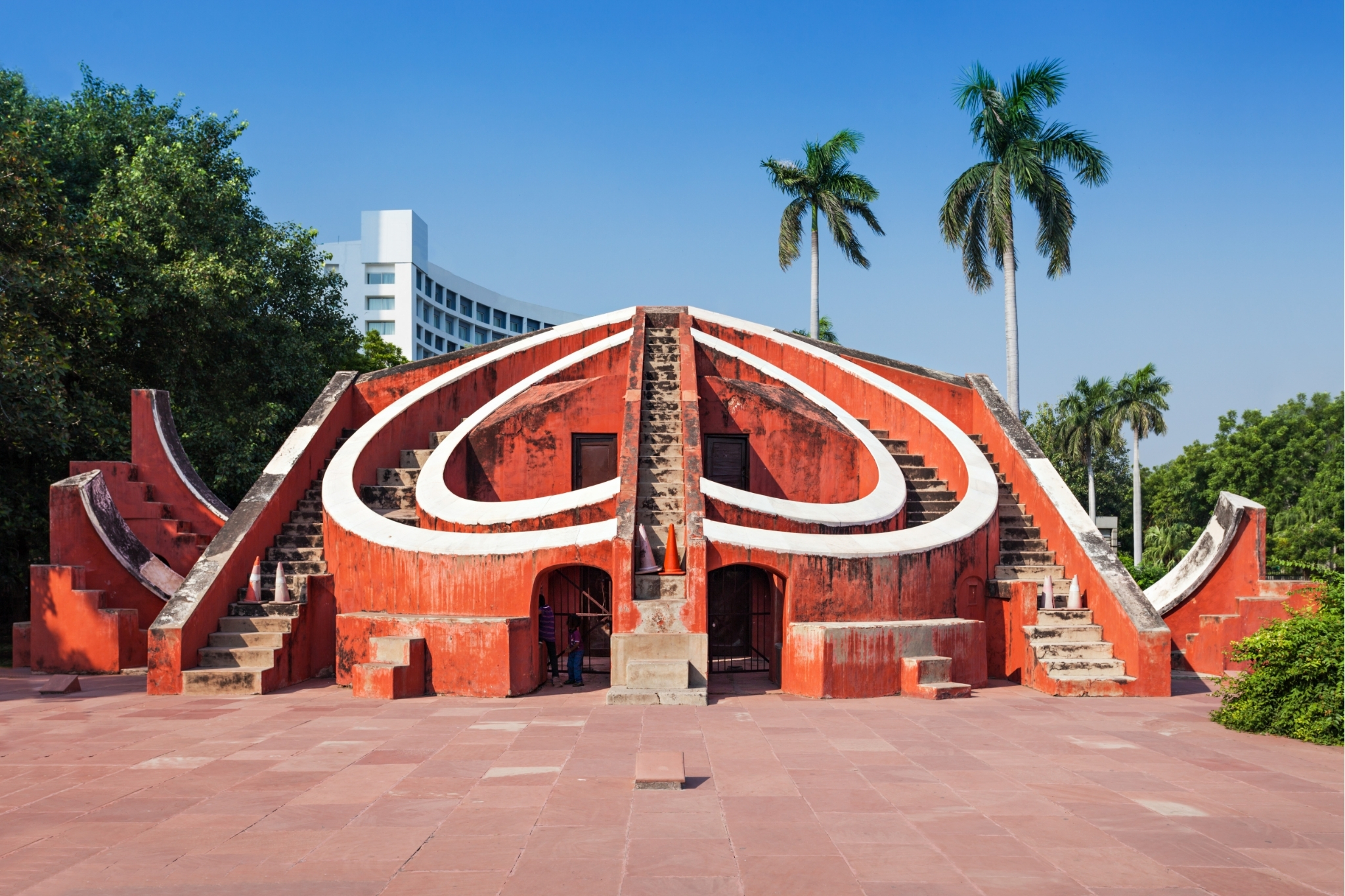
Jantar Mantar
The UNESCO-listed Jantar Mantar Jaipur surprises many visitors with its scale and abstract beauty. The massive instruments feel almost surreal, especially under clear skies.
These landmarks tell Jaipur’s grand story, but they resonate most when you allow time for observation. Paying attention to light, texture, and movement often reveals details that stay with you far longer than a quick visit ever could.
Experiencing Jaipur Beyond the Highlights: Streets, Markets & Local Life
While Jaipur’s monuments are impressive, many travelers discover the city’s true character in its everyday moments. This is often where the question is Jaipur worth visiting? finds its most genuine answer. Markets, residential streets, and informal encounters offer a deeper, more personal connection to the city.
Exploring without a strict plan allows you to notice the small details: hand-painted signs, bursts of color in unexpected corners, and the rhythm of daily routines unfolding around you.
Johari Bazaar
Lively and colorful, Johari Bazaar is known for gemstones and jewelry, but even a short walk through it is a sensory experience filled with sound, texture, and movement.

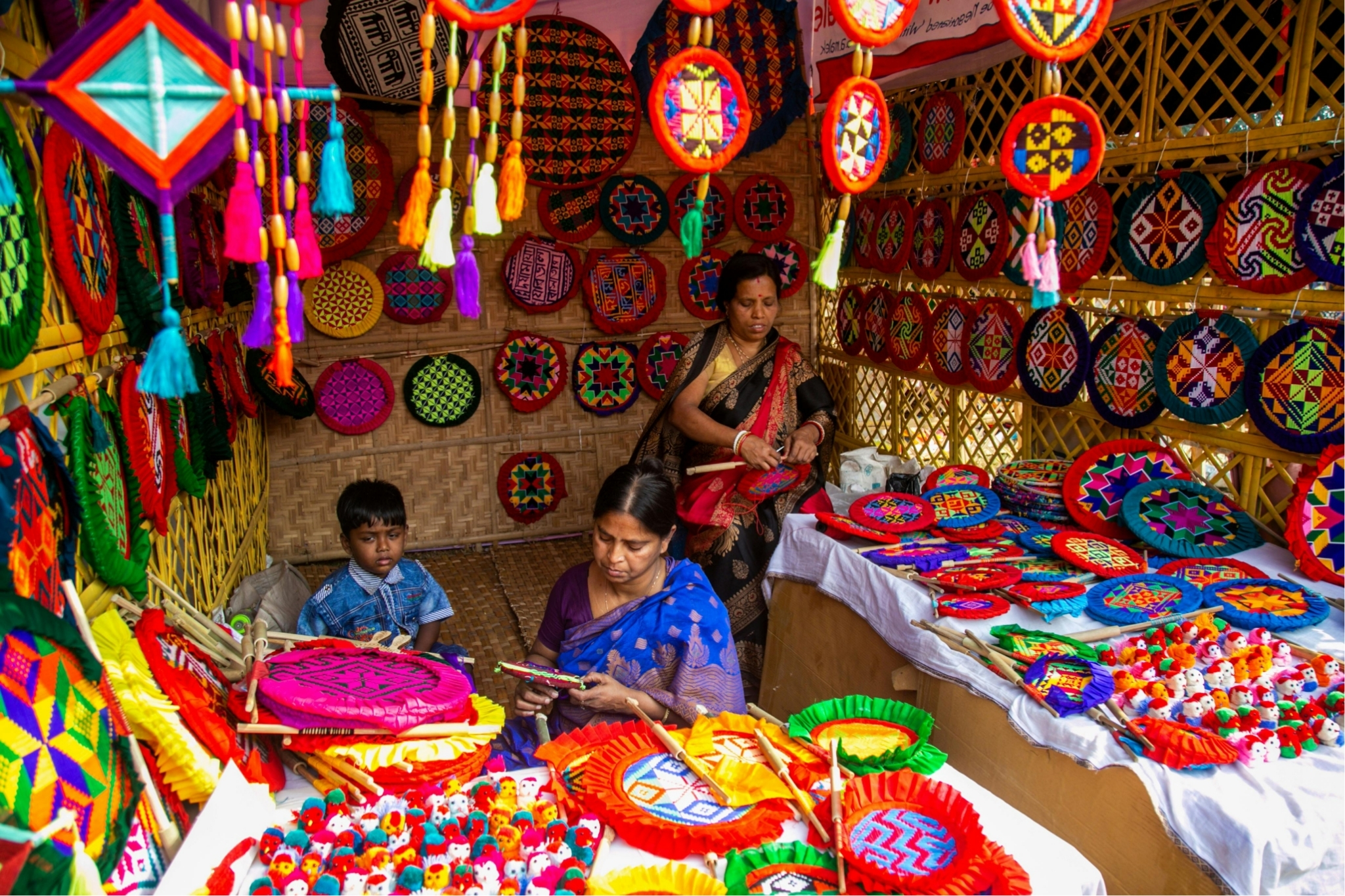
Bapu Bazaar
More relaxed and approachable, Bapu Bazaar is ideal for textiles, handcrafted items, and unhurried browsing. It’s a great place to observe everyday interactions.
Old City Walks
Quiet lanes away from main roads reveal painted doors, hidden temples, and glimpses of daily life that feel deeply authentic and often go unnoticed by rushed visitors.

Local Cafés
Jaipur’s café scene provides calm spaces to pause, reflect, and escape the heat, while still staying connected to the city’s creative and cultural energy.

These moments beyond the highlights often define a trip. They slow you down, create space for curiosity, and make traveling to Jaipur feel personal rather than purely touristic.
How to Capture Jaipur Beautifully (Without Forcing the Moment)
Jaipur is incredibly photogenic, but capturing it well is less about directing and more about noticing. The city responds best to patience—waiting for light, movement, and moments to align naturally. Whether you’re taking photos casually or planning something more intentional, understanding Jaipur’s rhythm can transform how your memories look and feel.
Early mornings offer quiet streets and soft light, while late afternoons bring warmth and contrast. Evenings add depth with lanterns, shadows, and gentle chaos as the city transitions into night.
Golden Hour Mornings
Sunrise in Jaipur feels calm and unhurried. The soft light enhances the city’s pink tones and allows architecture and streetscapes to breathe without visual noise.

Textures & Details
Focusing on carved doors, fabrics, jewelry, and architectural details often results in more meaningful images than wide shots alone. These elements tell Jaipur’s story in subtle ways.

Candid Moments
Markets, cafés, and street corners offer natural interactions that feel genuine and unscripted. Observing quietly often leads to the most emotionally resonant images.

Palace Courtyards
Courtyards create balanced light and calmer environments, making them ideal for relaxed portraits that feel elegant without being staged.

Localgrapher Photoshoot
A Localgrapher photoshoot in Jaipur fits naturally into this slower, observational approach. Rather than interrupting your experience, a local professional guides you through light, locations, and pacing while you simply enjoy the moment. The result is a relaxed walk through Jaipur with images that reflect how the city truly felt—unforced, atmospheric, and deeply personal.

Family photoshoot by Navin, Localgrapher in Jaipur
So, is Jaipur worth visiting? For travelers drawn to culture, color, history, and atmosphere, the answer is an easy yes. Jaipur offers a rare balance between iconic sights and everyday beauty, rewarding those who take the time to explore with intention.
This Jaipur travel guide was created to help you experience the city thoughtfully—choosing meaningful places to stay, exploring at a comfortable pace, and capturing memories in a way that feels natural rather than staged. Whether you’re traveling to Jaipur for inspiration, celebration, or curiosity, the city has a way of lingering long after you’ve gone.