
Planning an Osaka photoshoot? The best months are March through April and October through November, when cherry blossoms or autumn foliage frame every shot and the light stays warm well into the evening. Start your session at 5:30 AM at Osaka Castle or Dotonbori for empty streets and golden reflections, then return at blue hour after 6:00 PM. Top spots include Shinsekai, Nakazakicho, Sumiyoshi Taisha, and Umeda Sky Building. Our Osaka photographers start at $280 for a 30-minute session with 20 edited photos delivered within four business days.
Best Time of Year for an Osaka Photoshoot
Osaka’s seasons are more photogenic than most Japanese cities because they’re dramatic without being extreme. The city switches from neon-lit rain to sakura clouds to fiery maple corridors in the space of eight months, and each shift changes what you can capture.
Year Breakdown
Jan–Feb
- Weather: Cold, crisp; 4–10°C (39–50°F); dry and clear
- Light quality: Long golden hours, low sun angle, sharp shadows on temple stone
- Our recommendation: ★★★☆☆ Great light, thin crowds, but cold affects outdoor comfort
Mar–Apr
- Weather: Mild and warming; 10–20°C (50–68°F); mostly dry
- Light quality: Soft and warm; sakura petals in the air act as natural diffusers
- Our recommendation: ★★★★★ Peak season — cherry blossoms at Osaka Castle Park are unmissable; book at least 3 weeks early
May–Jun
- Weather: Warm to hot; 20–28°C (68–82°F); rainy season begins in mid-June
- Light quality: Rich morning light before 8:00 AM; hazy midday
- Our recommendation: ★★★☆☆ Early morning sessions only; late June rain can create stunning Dotonbori reflections
Jul–Aug
- Weather: Hot and humid; 28–35°C (82–95°F); occasional typhoons
- Light quality: Harsh midday; beautiful golden light at 5:00–5:30 AM and from 6:00 PM
- Our recommendation: ★★☆☆☆ Summer festivals (Tenjin Matsuri in late July) are spectacular but demanding; early AM or evening only
Sep–Oct
- Weather: Cooling; 18–28°C (64–82°F); autumn foliage arrives in October
- Light quality: Exceptional in October; warm, amber tones on maple leaves and temple rooftops
- Our recommendation: ★★★★★ Underrated season — autumn Osaka is less crowded than spring but equally photogenic
Nov–Dec
- Weather: Cool to cold; 8–18°C (46–64°F); clear skies
- Light quality: Soft, diffused winter light; golden hour runs longer than summer
- Our recommendation: ★★★★☆ Illumination festivals in December add artificial magic; fewer tourists than spring

Proposal photoshoot by Daruma, Localgrapher in Osaka
[/tip]
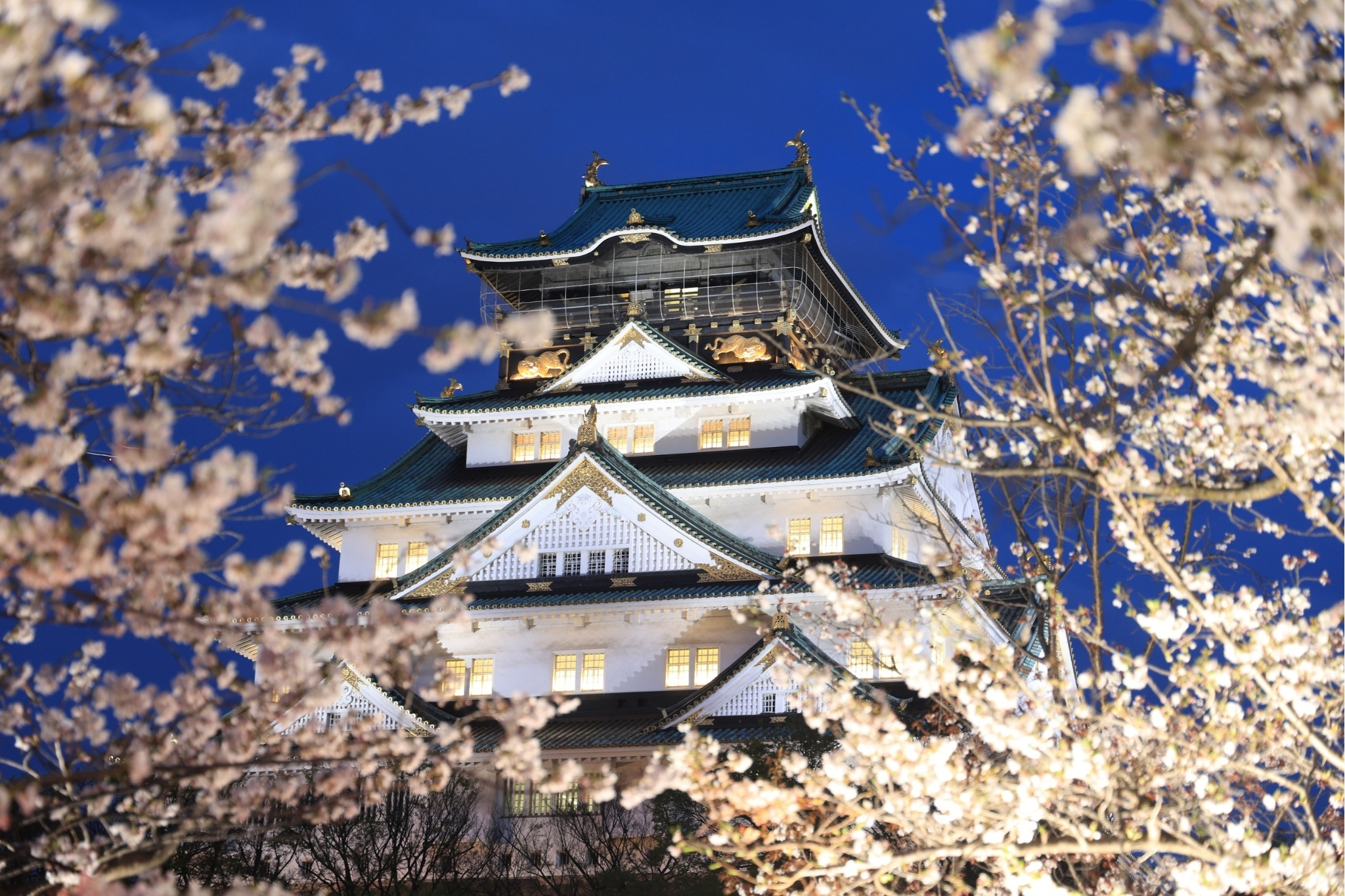
Our Osaka photographers are busiest in late March and early April, and for good reason. The sakura at Osaka Castle Park reaches full bloom around the last week of March through the first week of April, depending on the year, and the castle tower framed by pink blossoms from the Nishinomaru Garden is one of the most visually striking shots available anywhere in Japan.
One insider note: The Tenjin Matsuri (July 24–25) is one of Japan’s three great festivals, with elaborate river processions and fireworks over the Okawa River. If your dates overlap, build your session around it rather than avoiding the crowds. The lantern-lit riverboats and portable shrines create imagery that is impossible to manufacture in post-production. For location-by-location timing and crowd notes, our Osaka photo spots guide covers every major location in detail.
Best Time of Day: Golden Hour, Harsh Light, and When to Stay Inside
Osaka sits at 34.7°N latitude, similar to Los Angeles, which means the summer sun climbs fast and hard. The golden windows are narrow and non-negotiable, particularly from May through September.
Morning Golden Hour
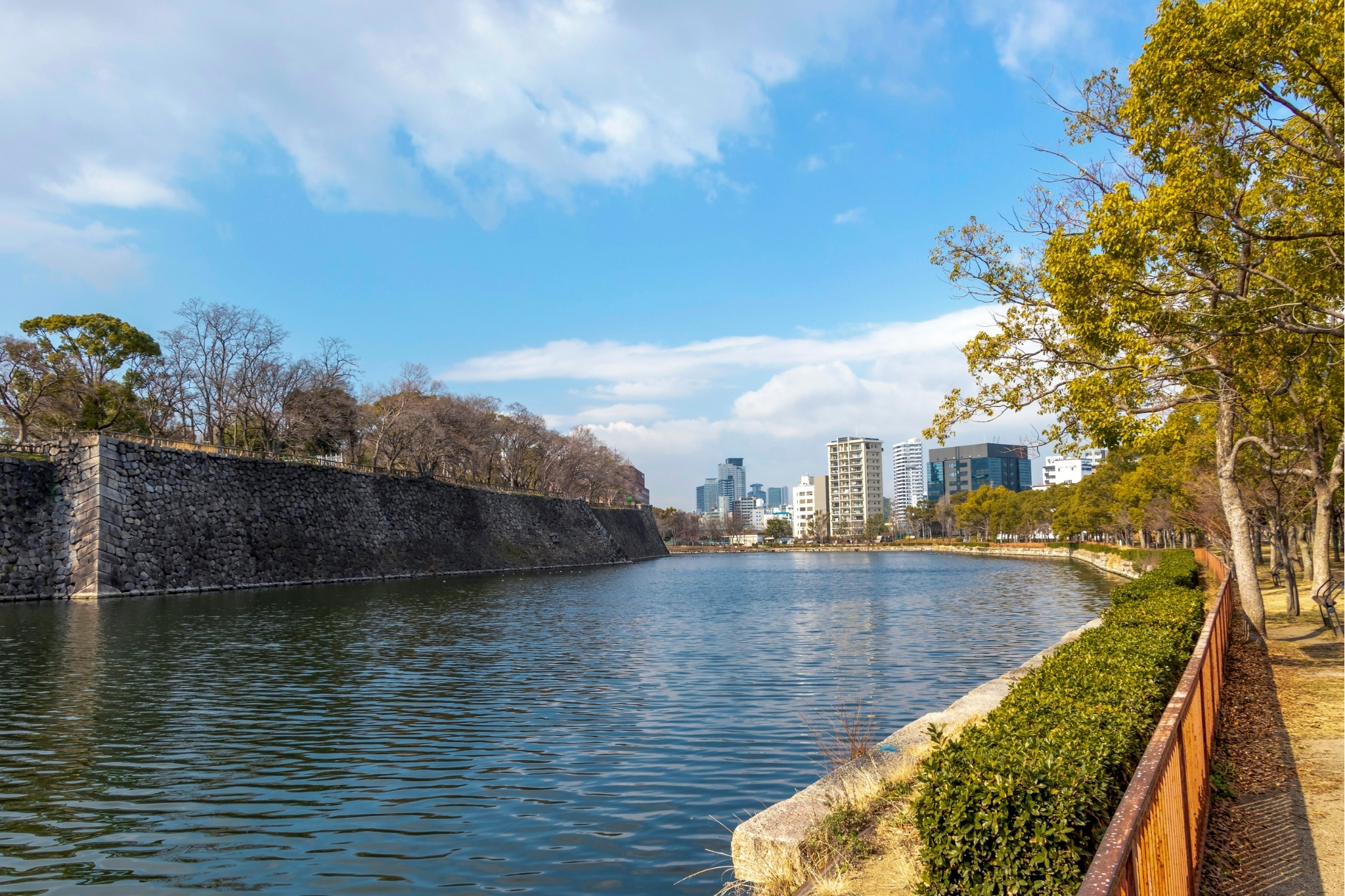
5:30–7:00 AM in summer (4:45–6:00 AM at peak summer in June); 7:00–8:30 AM in winter (December–January). This is when Dotonbori Canal has the cleanest reflections, before the breakfast crowds arrive. The neon signage from the Glico Man and surrounding restaurants is still lit during morning golden hour in winter, giving you the rare combination of artificial color and warm natural light simultaneously. Osaka Castle’s stone walls catch the early light from the east in a shade of amber that disappears by 8:30 AM year-round.

Harsh Light Window to Avoid
10:00 AM–3:30 PM from April through October. The subtropical-adjacent summer sun creates flat, harsh overhead shadows that wash out skin tones and eliminate the texture that makes Osaka’s stone temples and aged arcade tiles look so distinctive. Our photographers do not schedule outdoor portrait sessions during this window from May through September. If you’re locked into a midday session, Nakazakicho’s covered lanes and the interior corridors of Shitennoji Temple provide shade without sacrificing the backdrop.
Evening Golden Hour
5:30–7:00 PM in summer; 4:00–5:00 PM in winter. The evening session in Osaka is arguably better than the morning for city photography. Dotonbori’s neon signs begin illuminating at dusk, the canal gets the warm reflection of both the setting sun and the awakening signage, and Shinsekai’s retro Tsutenkaku Tower switches on its colored lights as the sky turns deep blue. For couples shoots, the riverside promenade along the Okawa River near Nakanoshima holds exceptional warm-tone light from the west until sunset.

Blue Hour
6:45–7:15 PM in summer; 5:00–5:30 PM in winter. Blue hour in Osaka is genuinely spectacular because the density of neon lighting means the artificial illumination doesn’t wash out against the darkening sky — instead, the two light sources balance each other in a way that’s almost impossible to overexpose. Dotonbori from the Ebisu Bridge and the Glico Man, Shinsaibashi shopping arcade reflected in puddles after rain, and the Umeda Sky Building’s twin-tower silhouette against a navy sky are all blue-hour shots worth the extra thirty minutes.
“I always tell my clients: the first golden hour and the blue hour are where you get the shots that look like paintings. The hours in between are for exploring and resting. Osaka gives you two magic windows, and if you’re positioned at the right spot for both, you go home with a whole story.”
— Javier, Localgrapher photographer in Osaka
What to Wear for an Osaka Photoshoot
Osaka’s mix of neon cityscapes, aged stone temples, retro shotengai (covered shopping arcades), and serene riverside parks means the right outfit at one location can look completely wrong at another. Here’s how to dress for each major scenario.
Couples
The most reliable palette for Osaka couple shoots is a mix of earthy warmth and one confident color. Think terracotta, camel, warm ivory, and dusty sage; these tones sit beautifully against Osaka Castle’s grey stone and the autumn maple at Nakanoshima Park without competing with the scenery. For evening city sessions at Dotonbori or Shinsaibashi, a slightly more polished look works: a deep burgundy or emerald midi dress and a navy or stone linen shirt photograph well against neon-saturated backgrounds because they absorb rather than amplify the artificial color.
- Avoid: Matching outfits in the same shade, particularly white-on-white at Osaka Castle Park; the pale gravel paths and light stone walls make exposure control nearly impossible, and the images lose depth. Also avoid large logos or graphic prints; they compete with the layered visual texture of Dotonbori’s signage and Shinsekai’s illustrated shop fronts.
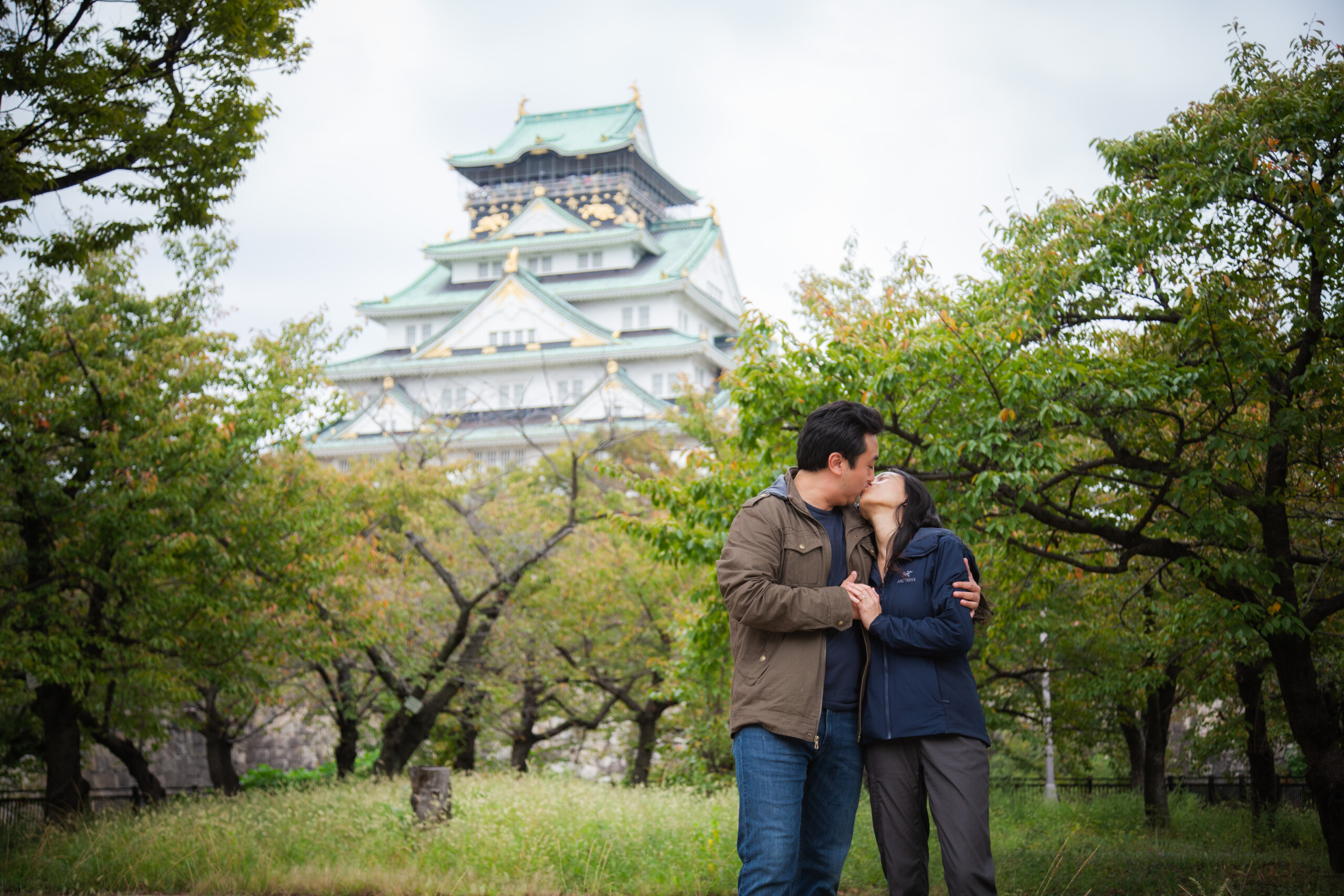
Proposal photoshoot by Yoshi, Localgrapher in Osaka
Families
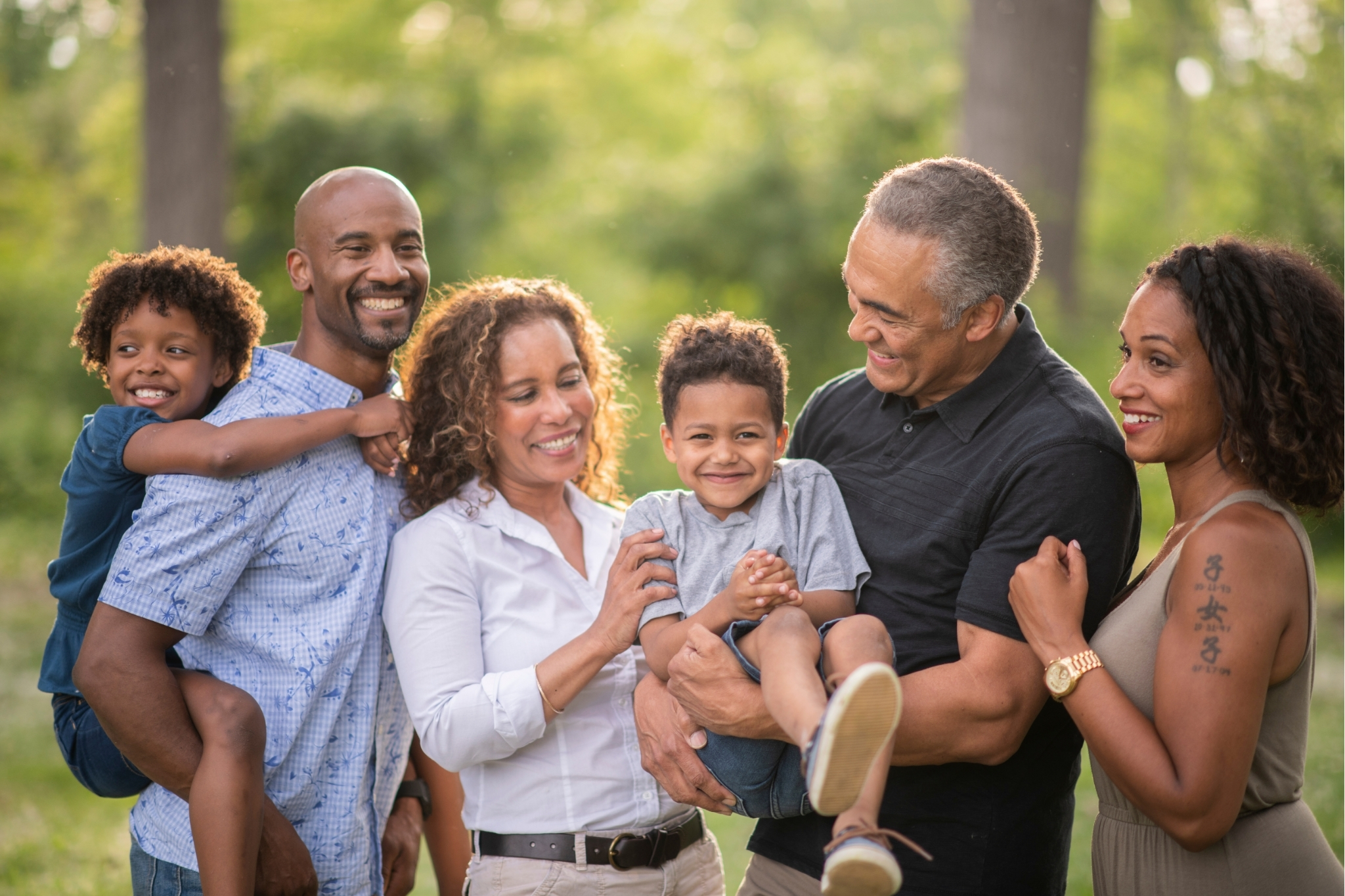
Osaka family shoots often involve a mix of temple grounds, castle parks, and covered shopping arcades; all of which require walking, occasional steps, and a pace that works for small children. Coordinated, non-matching outfits are the formula that consistently works best. Pick a three-color palette — for example, warm cream, soft coral, and a muted teal — and let each family member wear a different combination.
- A combination that photographs consistently well in Osaka: Soft pastels against the cherry blossoms in spring (cherry pink and pale grey), warm earth tones against the autumn maple (rust and cream), and rich jewel tones (forest green and cobalt) for evening city sessions.
- Practical note: Bring a light cardigan or jacket for children during early morning castle sessions — the April mornings at Osaka Castle can be cooler than expected, and a child who’s comfortable and warm is infinitely easier to photograph than one who’s shivering and distracted.
Solo Travelers
Osaka’s most dramatic solo locations — Umeda Sky Building’s glass escalator, the Dotonbori canal at blue hour, and the quiet moss-covered paths of Sumiyoshi Taisha — each reward a slightly different approach. At Umeda Sky Building, the architectural geometry is so strong that almost any outfit works, but single vivid colors (cobalt, deep red, emerald) photograph best against the building’s silver and grey steel framing. At Sumiyoshi Taisha, a flowy linen trouser and simple top against the ancient wooden Taiko-bashi arched bridge creates an editorial contrast that requires almost no editing.
- What not to wear anywhere in Osaka: Busy micro-patterns (tiny florals, micro-plaid) create visual noise against Osaka’s already layered backdrop of signs, tiles, and architectural detail. They also age badly in photographs; a clean, intentional outfit from 2026 reads timeless; a trendy micro-pattern reads dated within two years.

Types of Osaka Photoshoots
Osaka supports a wider range of photoshoot styles than almost any city of its size. The contrast between its ancient temples, retro shitamachi districts, neon canal, and modern skyscraper skyline means the city produces genuinely different aesthetics from a single day’s shooting. Here are the most popular Osaka photoshoot ideas our photographers work with.
Couples
Couple photoshoots are the most popular booking in Osaka, and the city delivers three distinct visual moods in a single trip. Cherry blossom sessions at Osaka Castle Park (late March through early April) produce soft, romantic images in pale pink and grey. Evening canal sessions at Dotonbori produce vivid, cinematic city portraits with neon and reflection. And the quiet stone precincts of Sumiyoshi Taisha or Shitennoji Temple produce something entirely different — serene, timeless images that look nothing like the neon city photographs taken the same day. A Silver package (60 minutes, 35 edited photos) covers one strong location and a short move to a second.

Maternity photoshoot by Daruma, Localgrapher in Osaka
(Secret) Proposal
Proposal photoshoots work exceptionally well at Osaka Castle at sunrise and along the Nakanoshima riverside at blue hour. Both locations give the photographer natural cover — other early-morning visitors at the castle, and the riverside promenade’s regular foot traffic in the evening — while keeping the partner completely unaware. Our Osaka photographers have established specific scouting positions at both spots. For the full step-by-step breakdown, covering locations, hiding positions, signals, and rain backup plans, see our Osaka secret proposal guide.

Proposal photoshoot by Daruma, Localgrapher in Osaka
Family
Family photoshoots in Osaka work best at Osaka Castle Park and Sumiyoshi Taisha. The castle park’s wide gravel paths and open lawns accommodate strollers and running children without the narrow steps and crowds that make some Japanese temple complexes challenging for families. Sumiyoshi Taisha, in the south of the city, offers shaded pathways, the photogenic arched Taiko-bashi bridge, and a calm pace that doesn’t overwhelm young children. The 14-minute train ride from Namba on the Nankai Main Line gets you there without a taxi.

Honeymoon
Osaka honeymoon photoshoots are ideally split across two sessions: a sunrise castle session on day one, capturing the couple against the moat and stone walls in early morning quiet, and a Dotonbori canal session at blue hour on day two, for the neon-city contrast. The visual gap between these two looks tells a richer story than either location alone. Not sure which package covers two sessions? The Osaka photographer cost breakdown explains exactly what each session length includes and which package works best for multi-spot honeymoon shoots.

Solo Traveler
Solo travel shoots have grown steadily in Osaka, and the city’s range of visual environments makes it one of the most rewarding destinations for editorial-style solo portraits. The Umeda Sky Building’s glass escalator is worth the ¥1,500 (around $10) entry fee for the observatory level — a single figure riding the transparent escalator 170 meters above the city, with the Osaka skyline receding below, is a compositional gift. Note that entry fees are not included in any Localgrapher package, but your photographer will accompany you inside.

How to Prepare for Your Osaka Photoshoot
A well-prepared Osaka session runs completely differently from one where logistics are sorted on the day. Osaka’s subway system is excellent, but the city is large, and the gap between a meeting point and the best-lit corner of a location can cost you 15 minutes of golden hour if nobody planned for it. Here’s the practical checklist from our photographers.
Before Your Shoot
- Confirm the meeting point 48 hours in advance. Your photographer will send a specific subway exit pin — not just “Osaka Castle” but “meet at the north stone gate of Nishinomaru Garden, Osakajokoen Station exit 1” — which saves the confusion that costs time when the golden hour window is 45 minutes.
- Download a transit app. Osaka’s subway (Osaka Metro) and JR Loop Line both run to most photo spots. Google Maps works well for train navigation in Japan. Taxis and Uber exist but are significantly more expensive; a ride from Shinsaibashi to Sumiyoshi Taisha costs around $8–$12 (¥1,200–¥1,800).
- Check the cherry blossom forecast if shooting in spring. Full bloom typically lasts 7–10 days and can shift by up to 2 weeks depending on the year. The Japan Meteorological Corporation releases annual sakura forecasts from late January. If your shoot overlaps with peak bloom, inform your photographer — they’ll adjust the route to prioritize the castle park and Nakanoshima riverside in morning light.
- Communicate your priorities before arriving. If there’s one shot you came to Osaka for — the Dotonbori Glico Man reflection, the Umeda Sky Building escalator, the castle moat in cherry blossom season — tell your photographer when booking. Some shots require specific weather conditions (rain for Dotonbori puddle reflections), specific positions, or early access to locations before official opening hours.

Engagement photoshoot by Daruma, Localgrapher in Osaka
On Shoot Day
- Arrive 10 minutes early. Osaka Metro runs on the second, but exits at large stations like Namba or Umeda can take five minutes to navigate alone. Factor this in, especially if you’re arriving from a hotel in the Shinsaibashi or Honmachi area.
- Bring a small handheld fan in summer. The humidity between July and September hits hard by 7:30 AM. A fan and a small cloth for perspiration aren’t vanity items; the difference between a relaxed portrait taken at 6:15 AM and one taken 40 minutes into a humid summer morning is visible in every frame.
- At Osaka Castle: The Nishinomaru Garden (where the best sakura-and-castle frames are) opens at 9:00 AM and charges ¥200 (around $1.35) entry. The surrounding park grounds are free and accessible earlier. For non-sakura sessions, the north moat view from Osakajokoen Station and the Gokuraku-bashi bridge area are accessible at any hour.
- For evening Dotonbori sessions: Arrive no later than 30 minutes before sunset. The canal gets crowded after 7:00 PM on weekends. Tuesday through Thursday evenings are significantly quieter; the photographer can position you at Ebisu Bridge with clear sightlines to the Glico Man and a full canal reflection without groups of tourists filling the frame.
One thing to know about Osaka specifically: The Tenjin Matsuri on July 24–25 closes parts of the Okawa riverside to traffic and creates crowd surges around Temmabashi and Sakuranomiya Park that affect transit times. If your session is near those dates, your photographer will adjust the route and meeting point accordingly.

“The message I send to every Osaka client the night before is simple: subway line, exit number, exact pin, and what the light looks like that day. It takes me two minutes and it saves twenty. People arrive relaxed when they know exactly where they’re going.”
— Satoshi, Localgrapher photographer in Osaka
What Happens After Your Osaka Photoshoot
The shoot is done. Here’s what happens next and what to expect from your gallery.
Days After the Shoot
- Editing and delivery: Your photographer submits selected images to our editing team within 24–48 hours of the session. We deliver your finished, professionally edited gallery within four business days via a password-protected online link. Many clients visiting Japan receive their gallery before they’ve left the country, which is particularly useful if you’re continuing to Kyoto or Tokyo and want to share photos while still traveling.
- How many photos: The number of edited images depends on your package. The Bronze package (30 minutes) delivers 20 edited photos; the Silver (60 minutes) delivers 35; the Gold (100 minutes) delivers 60; and the Platinum (120 minutes) delivers 75. These are edited, not just exported — each image is color-corrected, exposure-balanced, and retouched.
- Storage: All images are stored securely for two years after delivery. If you ever lose access to your gallery link or accidentally delete downloads, contact hello@localgrapher.com and we’ll restore access immediately.
- Selecting your favorites: Your gallery allows you to download every image included in your package. There’s no need to “choose” a subset — every delivered image is yours to keep.

Osaka Photoshoot FAQ
What is the best time of year for a photoshoot in Osaka?
March through April and October through November are the clear peak windows. Spring brings cherry blossoms to Osaka Castle Park, with the Nishinomaru Garden offering the cleanest framing of castle and sakura together; the light during this period is warm, humidity is low, and mornings are comfortable to shoot through 8:30 AM. Autumn is arguably more underrated — the maple foliage at Nakanoshima Park and the Osaka Castle grounds turns amber and crimson in mid-November, with fewer crowds than spring. If your dates fall in January or February, don’t be discouraged; the low sun angle creates long golden shadows across the castle moat and temple courtyards that produce extraordinarily sharp, clean architectural shots.
How early should I book an Osaka photoshoot?
For cherry blossom season (late March through early April), book at least three to four weeks in advance, preferably earlier. Our Osaka photography team fills up quickly in spring, particularly around weekends. Outside peak season, one to two weeks is usually sufficient. Last-minute bookings are sometimes possible; email hello@localgrapher.com directly for urgent requests. If your trip overlaps with Golden Week (late April through early May), earlier booking and earlier morning sessions matter even more due to crowd levels.
What are some good Osaka photoshoot ideas for a short trip?
The most efficient approach pairs a sunrise castle session at Osaka Castle Park with an evening canal session at Dotonbori — two completely different aesthetics in one trip. For a single session, start at Shinsekai’s Tsutenkaku Tower in late afternoon and move to Dotonbori at blue hour for the neon-canal reflection. Both locations are within 20 minutes of each other by subway from Namba. Our Osaka photo spots guide covers the 10 strongest locations with exact timing and routing.
Can I cover two locations in a single Osaka couple photoshoot?
Yes — the Gold package (100 minutes, 60 photos) and Platinum package (120 minutes, 75 photos) typically allow time to move between two nearby locations. The most popular combination is Osaka Castle Park in morning light followed by Dotonbori at blue hour. For a single session, Shinsaibashi to Dotonbori is a natural 15-minute walk that covers two distinct visual environments within one booking. Note that entry fees — Nishinomaru Garden ¥200 (around $1.35), Umeda Sky Building observatory ¥1,500 (around $10) — are not included in the package price.
What’s included in an Osaka family photoshoot package?
Every package includes a private session with a handpicked local photographer, location recommendations, posing guidance for all ages, and professionally edited images delivered within four business days. For families, our photographers recommend Osaka Castle Park (wide, flat, stroller-friendly) or Sumiyoshi Taisha for its calm pace and photogenic arched bridge. Entry fees, transport, and refreshments are not included. For families of five or more, the Platinum package (120 minutes, 75 photos) offers the most flexibility. Browse Osaka photography packages to find the right fit.
An Osaka photoshoot rewards preparation more than most cities in Japan. Know your golden hour windows — they’re narrow, particularly in summer — pick locations that match what you actually want to remember about this city, dress for the specific environment rather than a generic “Japan photo,” and communicate your priorities to your photographer before you arrive. Osaka does the heavy lifting: the neon canal at blue hour, the sakura-framed castle at dawn, the retro Shinsekai alleys at dusk, and the moss-covered stone of a 1,400-year-old temple in the same afternoon. Whether it’s a couple session at cherry blossom peak, a family portrait at Sumiyoshi Taisha, or a solo shoot at the Umeda Sky Building with the whole city below, an Osaka photoshoot is one of the most visually rewarding sessions you can book in Japan. Our Osaka photographers are ready when you are.