Choosing a camera can feel overwhelming. Scroll through any electronics store or online shop, and you’ll be flooded with technical specs, buzzwords, and shiny new models promising “professional results.” If you’ve ever wondered how to choose the right camera without getting lost in the details, you’re not alone.
Whether you’re preparing for a once-in-a-lifetime trip, thinking about capturing family milestones, or simply exploring photography as a hobby, this guide will walk you through tips to choose your camera in a practical, stress-free way. And if you’re considering booking a professional photoshoot at your destination, understanding your own gear will help you appreciate what goes into those magical images even more. Let’s simplify the process together!
How to Choose the Right Camera Based on Your Photography Goals and Budget
One of the most important steps in understanding how to choose the right camera is clarifying what you actually want to photograph—and how much you realistically want to invest. Your goals and your budget are closely connected. When aligned properly, they help you avoid overspending while still choosing gear that truly supports your creative vision.
Before asking how to know what camera to buy, pause and think about what excites you most behind the lens. Are you hoping to capture: Each of these photography goals requires slightly different strengths from your camera.
How to Start
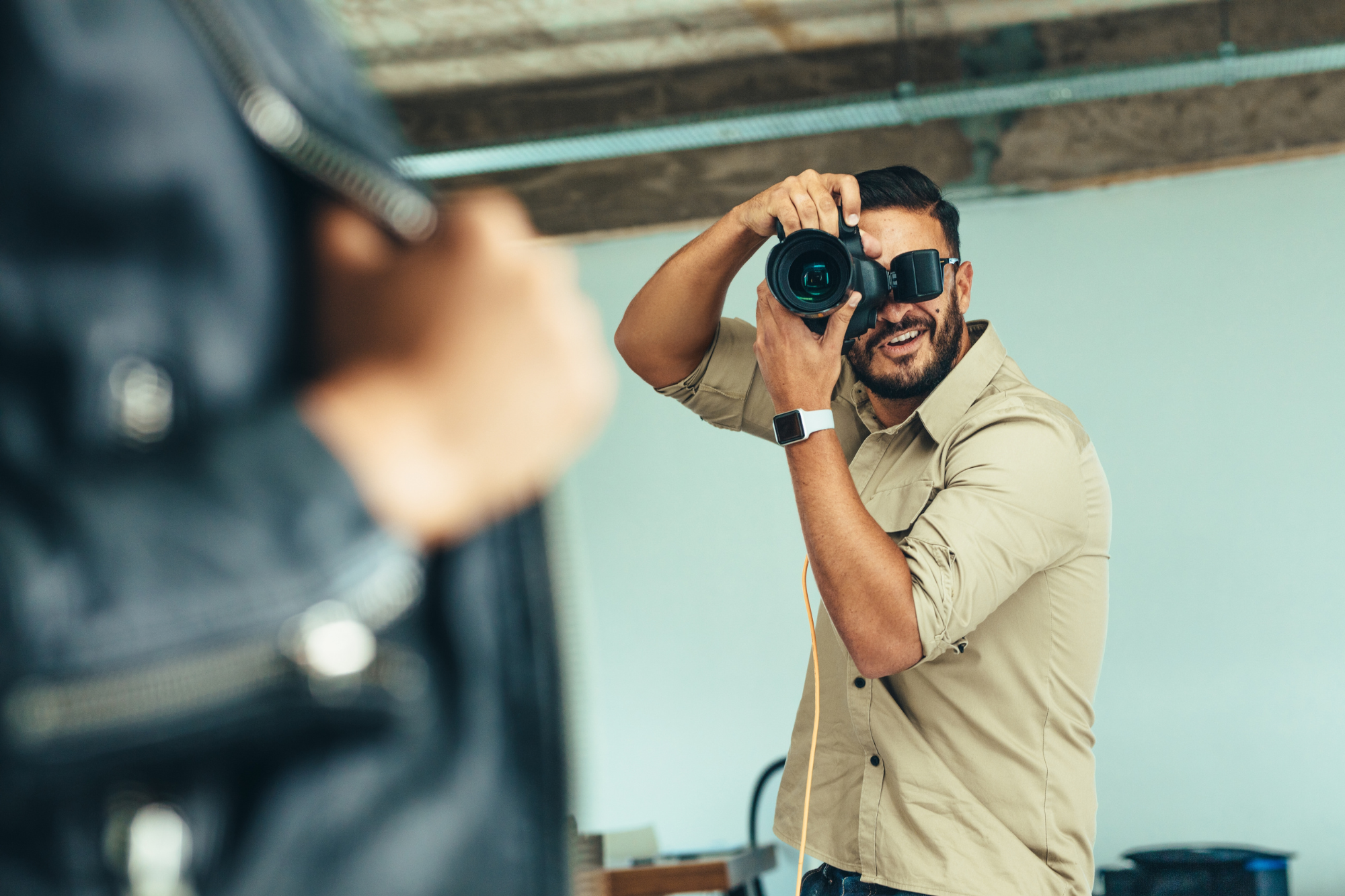
For travel and everyday photography, portability is key. A lightweight mirrorless or compact system makes it easier to carry your camera all day without fatigue. For wildlife and sports, you’ll need fast autofocus, a high burst rate, and strong telephoto lens options. If portraits are your focus, sensor size and lens quality matter more than rapid shooting speed—larger sensors typically produce better background blur and stronger low-light performance. When thinking about how to choose a camera, consider these essential technical factors: Choosing gear isn’t about owning the most expensive model—it’s about enabling creativity. The camera should support your storytelling, not intimidate you.
Your Photo Goals
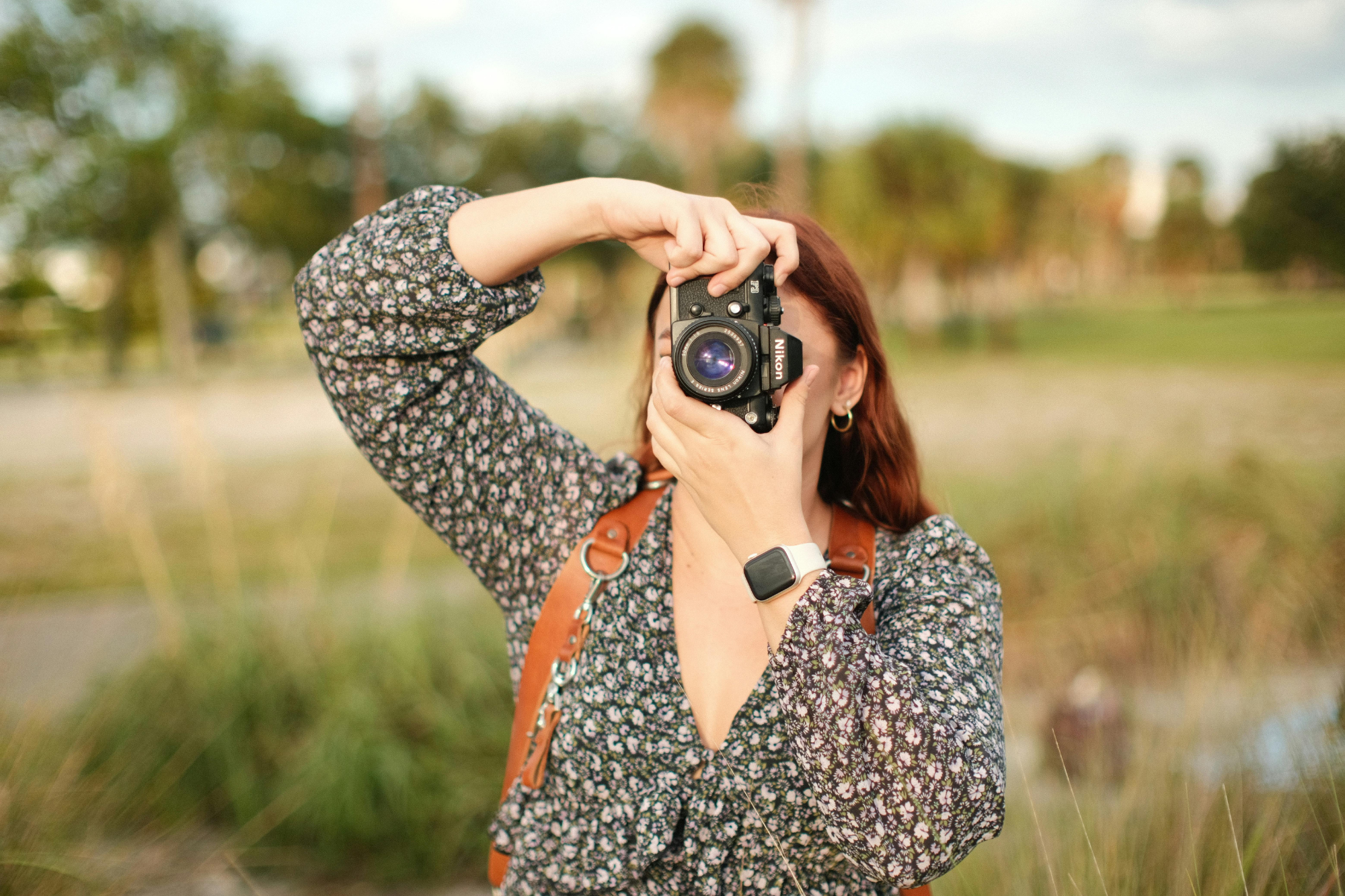
Budget is often the biggest deciding factor in choosing the right camera. Prices range from entry-level systems to professional bodies costing several thousand dollars. But more expensive does not automatically mean better for you. When learning how to choose a digital camera, it’s essential to divide your budget wisely. A balanced setup usually includes: Many beginners make the mistake of spending almost everything on the camera body. In reality, lenses often influence image quality more dramatically than incremental body upgrades. A high-quality lens on a mid-range body can outperform an expensive body paired with a basic kit lens. If you’re unsure how to know what camera to buy, a safe and practical approach is starting with a mid-range mirrorless or DSLR system and investing in one strong, versatile lens—such as a 35mm or 50mm prime lens for portraits and everyday storytelling. As your skills grow, you can expand your lens collection rather than replacing the entire system.
Balancing Ambition with Budget
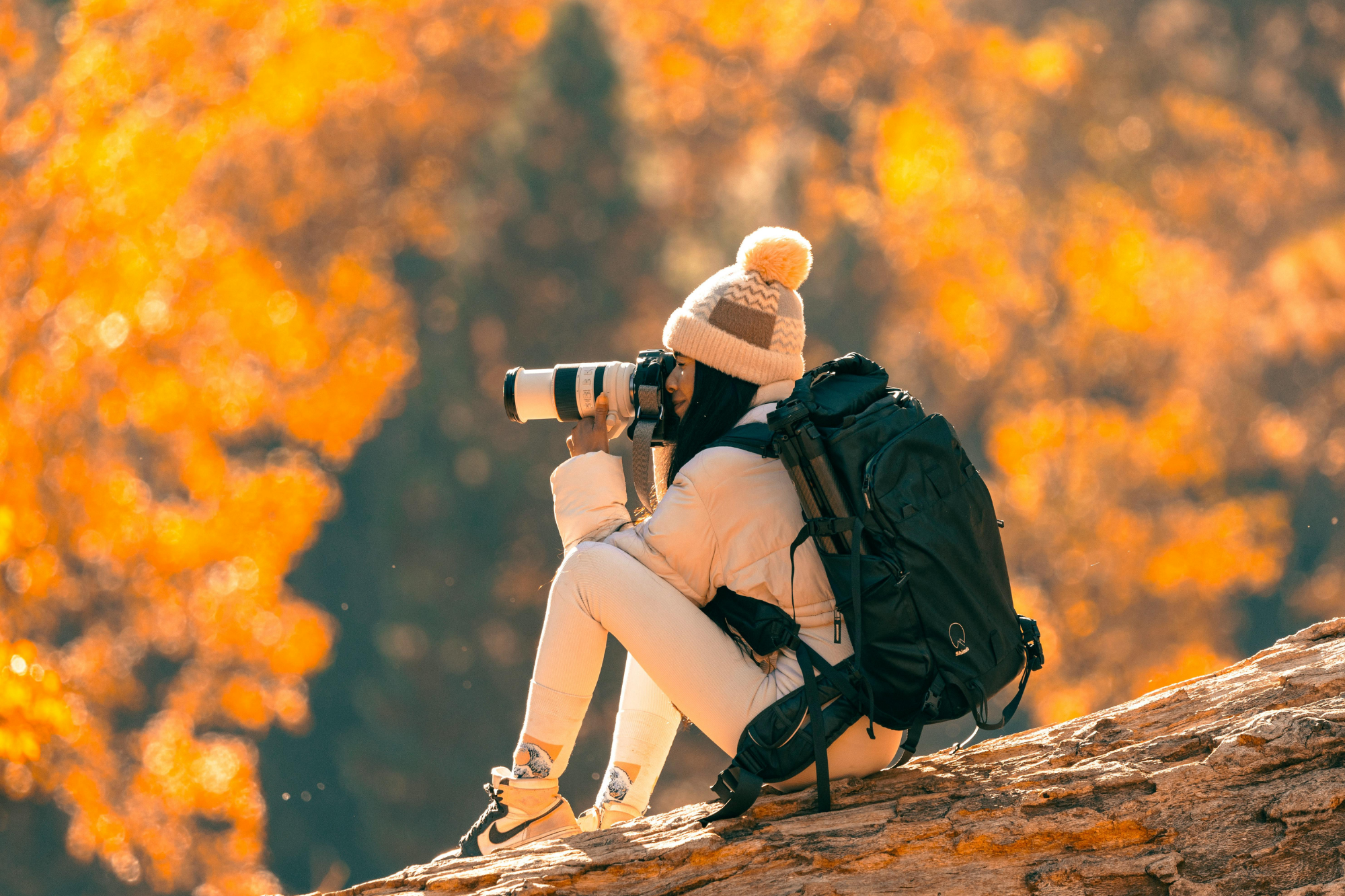
Photography should feel inspiring—not financially stressful, so let your goals guide your gear, not the other way around. And remember, a smart investment beats an impulsive splurge every time.
Introduction to Cameras
Over the past few decades, photographers experienced a rapid expansion in camera types, particularly during the rise of digital photography. More recently, the market has streamlined, with mirrorless systems becoming dominant. Polaroid was a revolution when it arrived and allowed any photographer to take a picture and see the results almost instantly. Digital cameras came after, first with low resolutions, and then swiftly followed by professional-grade SLR versions. Now you have a quality camera in almost every smartphone. This doesn’t mean that cameras have finished evolving; manufacturers are already pushing out new mirrorless versions.
These days, many people can afford to own a camera. Most people even have them in their pockets as part of their smartphones. While professional cameras can still cost a small fortune, consumer cameras have been accessible to the public for over a century, especially after Kodak introduced affordable models in the early 1900s. In the first instance, the camera that appeared was a bit like a projector. It was known as a camera obscura or pinhole camera and worked by enlarging an image against a backdrop such as a wall. Unfortunately, these images couldn’t be recorded, although many people used them as a way of tracing whatever was projected. The first early cameras really appeared in the early 1800s. From 1816 onwards, cameras were improved upon and used to take portraits until the late 1800s, when George Eastman started to sell his Kodak cameras. This is around the time that cameras started to look like the ones you know today.
How Have Cameras Changed Through the Years?

After this period, cameras kept on advancing through technology and design. It may or may not surprise you that the first instant cameras from Kodak’s rival, Polaroid, arrived as long ago as 1948. Since then, the world has witnessed disposable cameras, video, digital, and, of course, smartphones.
The Evolution of Cameras

There are possibly more types of cameras available than you can imagine. They all have their uses, but whether they can be described as ‘great’ would probably depend on your own requirements. Below are some of the main cameras you will know, and maybe some you haven’t considered:
What Are the Diverse Types of Cameras Available?

These cameras all have their purposes, and depending on your skill levels and whether you are a beginner, enthusiastic amateur, or a professional photographer, you will have your own opinions as to which one you want.
“You don’t take a photograph, you make it.” – Ansel Adams
What Camera Type to Choose
A camera consists of many features. There is the camera body, shutter button, and lens, of course, but depending on what camera you choose, they might have a red-eye reduction, built-in flash, lens mount, so you are not restricted to fixed focus, and a tripod mount.
From the list above, you can see that a couple are gimmicky or limited. 360 and 3D cameras serve specialized purposes, particularly in virtual reality, immersive content creation, and real estate, but may not be necessary for everyday photography. Polaroids are fun for parties and taking instant snaps, but unless you have a project that requires this, then they are just for fun. Video or digital cine-cameras are mostly for recording movies. This leads us to the rest of the choices.
Smartphone Cameras
This is easy to dismiss because they are so ubiquitous, but the technology in phones is advancing so quickly that professionals are taking a serious interest in them. Oscar-winning director Steven Soderbergh has used the Apple iPhone to make two Hollywood movies. The benefits of using this type of camera include mobility and easy access to the internet to upload images swiftly to be saved and published.

Another camera for sporting lifestyle and outdoor photography. These differ from action cameras as they are generally designed for point-and-shoot. Someone who wants a compact camera but likes to go hiking, for instance, would suit one of these.
Rugged Cameras

The same as the rugged, but without the protection. They are the choice of many people when buying a camera as they are easy to operate. This style of camera tends to be affordable, lightweight, and easy to carry. Most models use rechargeable lithium batteries and offer autofocus with built-in zoom lenses. They are genuine entry-level all-rounders. Perfect for Christmas, holidays, and family snaps.
Compact Cameras

These are most commonly known as GoPros, although there are many brands available. They are generally very small and can be used for extreme sports and in tough conditions, such as underwater. They are primarily used for video capture, especially in extreme sports, but also offer photo capabilities, including wide-angle still images.
Action Cameras

Bridge cameras combine the convenience of a compact camera with the manual controls and powerful zoom ranges closer to DSLRs. However, unlike DSLRs or mirrorless cameras, they usually have fixed, non-interchangeable lenses.
Bridge Cameras

These are unlikely to come up on your radar unless you are a professional or need very high-quality images. Traditionally reserved for high-end commercial and fashion photography, digital medium format cameras are becoming more accessible but remain a niche professional choice due to cost and size.
Medium Format Cameras

These two are the cameras that keen hobbyists and professionals alike will look at. SLR means Single Lens Reflex. This means the photographer can look through the optical viewfinder and see the image utilizing a mirror and prism. SLRs are film-based, and DSLRs are digital. Although the film has been dying out over the years, many enthusiasts are very keen on the format, and it has a good following.
SLRs and DSLRs

Mirrorless cameras eliminate the mirror mechanism found in DSLRs and use electronic viewfinders instead of optical ones. Without the internal mirror system, they are typically lighter, more compact, and capable of faster shooting speeds. They also operate more quietly, making them ideal for environments where discretion matters, such as weddings or religious ceremonies. In recent years, mirrorless systems have largely overtaken DSLRs in development, with most major manufacturers shifting their focus to mirrorless models. Lens selections have expanded significantly and now rival, and in some cases exceed, traditional DSLR systems. For many photographers today, mirrorless represents the current standard rather than the future possibility.
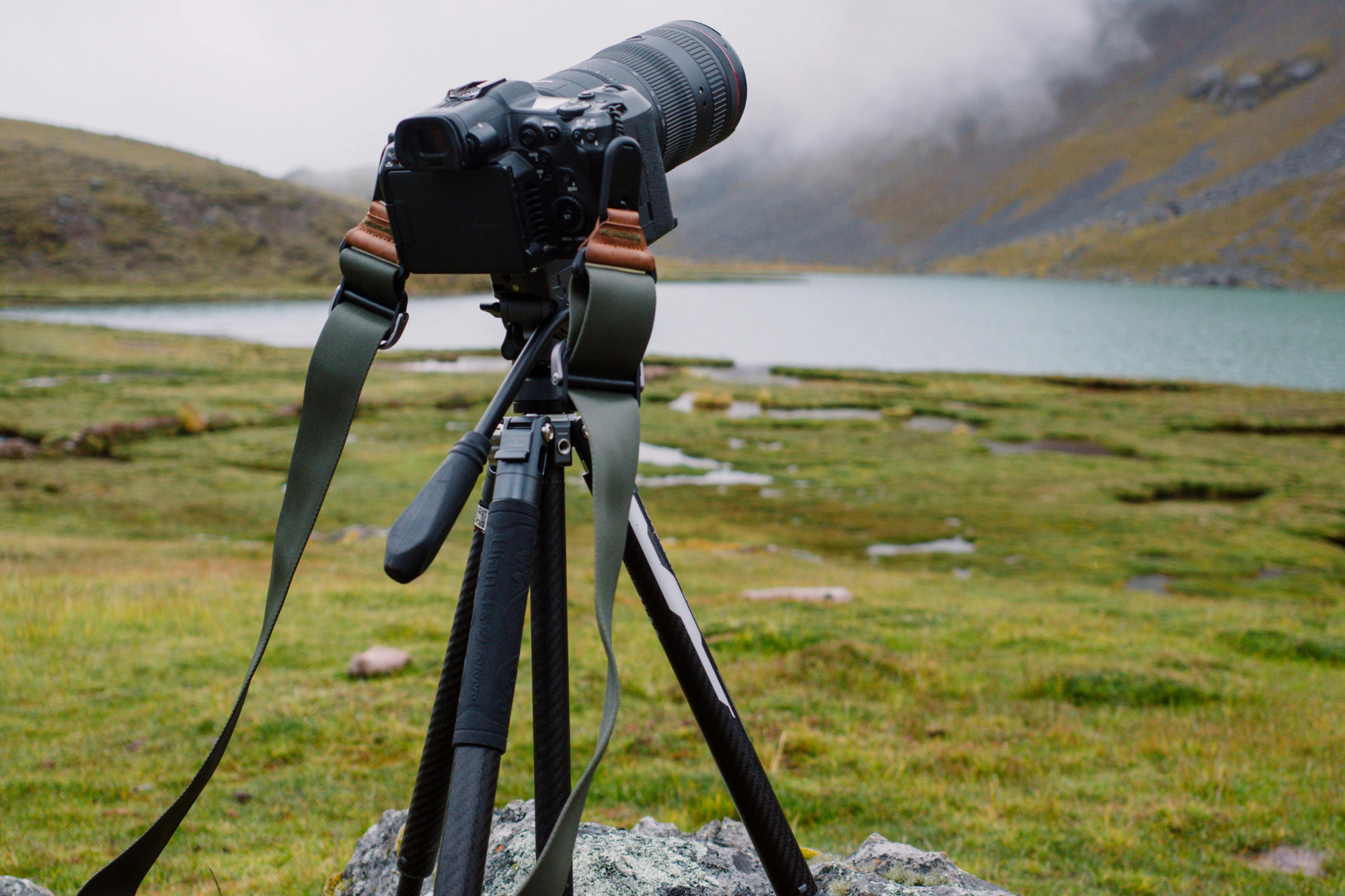
Are you the sort of photographer who wants to know their camera inside and out? You can gain more knowledge about various parts of your camera from classes or websites if you have an interest. Knowing how your camera works can help you to understand the best way to create images, choose the right modes, and store them. As you can see, there are many options for choosing the right, or great, camera. For someone who wants to capture their memories while on holiday or their children’s birthdays, then a compact will be ideal. For someone keen on photography but not ready to make the step to a DSLR, a bridge camera would work well. DSLRs have long been considered the gold standard for serious photography. However, in recent years, mirrorless systems have become the primary focus of most manufacturers and are now widely regarded as the future of professional photography. However, the digital mirrorless camera may constitute a really great camera in the coming years. Once there are more options, they look to be able to overtake DSLRs and become the camera of choice for most serious photographers. Choosing the camera is only part of the equation. If you truly want to understand how to choose the right camera, you must also think about the supporting gear. Even the most advanced camera body won’t perform at its best without the right accessories. When people ask how to choose a camera, they often focus only on megapixels and sensor size—but experienced photographers know that preparation makes all the difference. A tripod may not sound exciting, but it can completely transform your results. If you enjoy landscapes, sunsets, night photography, or long exposures, a sturdy tripod is indispensable. It allows you to shoot at slower shutter speeds without blur, capture crisp city lights after dark, and even take self-portraits or group photos without asking strangers for help. When considering how to choose the right camera, think about whether your photography style would benefit from stability. A lightweight travel tripod is often enough for beginners and won’t add too much weight to your luggage.
Modern cameras—particularly mirrorless systems—consume power quickly. Features like electronic viewfinders, image stabilization, and 4K video all drain batteries faster than you might expect. There’s nothing more frustrating than seeing the battery icon flash red just as something beautiful unfolds in front of you. Whether it’s a spontaneous street performance, a surprise proposal, or your child’s big moment, power matters. If you’re learning how to choose a camera, check battery life specifications, and always budget for at least one or two spare batteries. It’s a small investment that provides enormous peace of mind—especially during full-day adventures.
Your camera is an investment, and protecting it should be a priority. A good camera bag does more than carry gear—it organizes your equipment, protects it from weather and impact, and makes your shooting experience more comfortable. Look for: Travel photographers often prefer backpacks that distribute weight evenly, while casual shooters might opt for compact shoulder bags. When thinking about how to choose the right camera, consider how you plan to transport it. A heavy setup without a comfortable bag may end up staying in your hotel room instead of exploring with you.
Lighting is everything in photography. Even the best camera struggles in poor lighting conditions. An external flash provides more natural-looking light than the built-in pop-up flash, while a reflector can beautifully soften shadows during outdoor portraits. If you’re capturing family moments, events, or indoor celebrations, having control over light dramatically improves your results. A simple foldable reflector is affordable, lightweight, and incredibly effective for beginners.
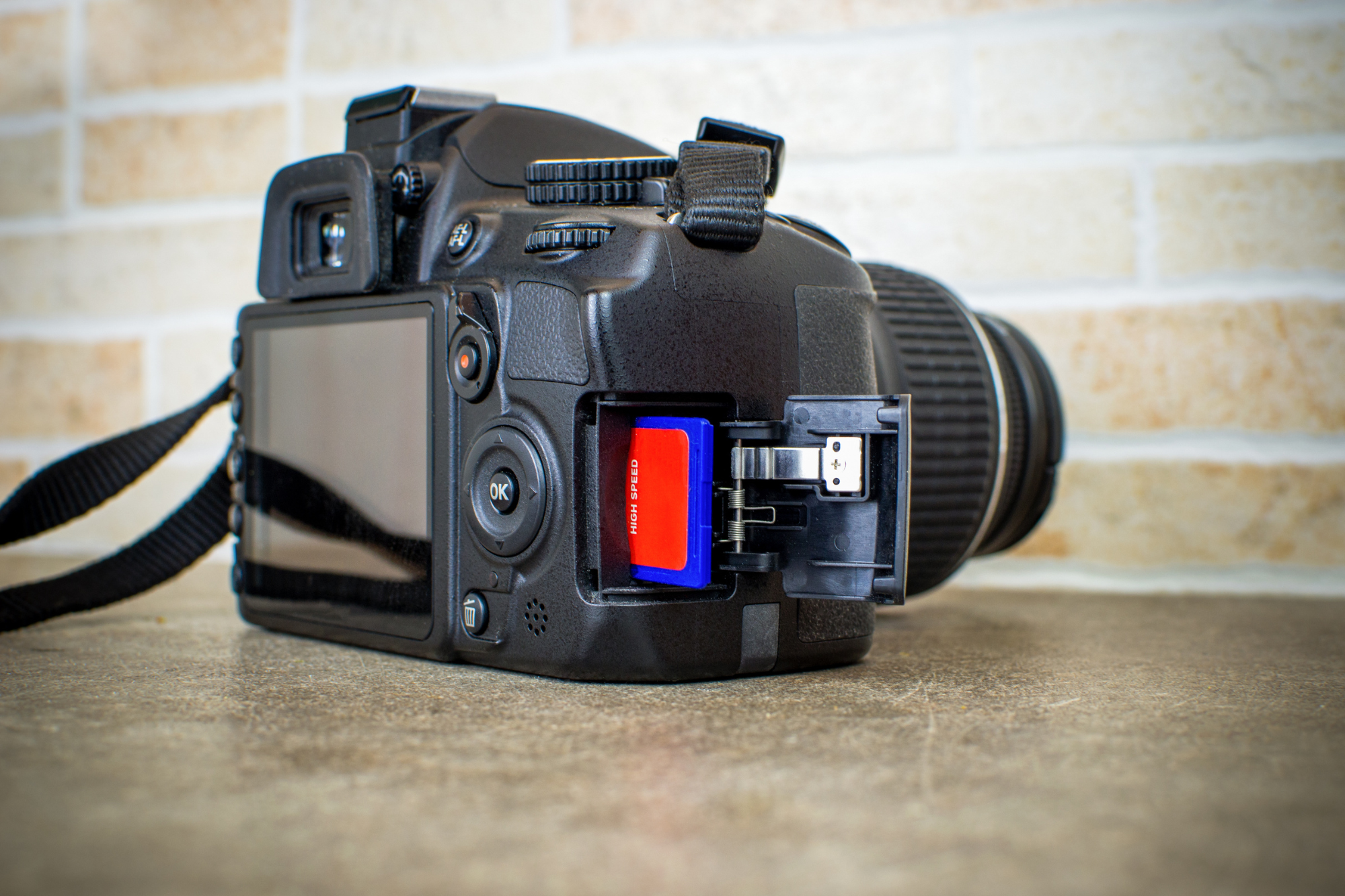
If you’re learning how to choose a camera, remember that accessories make your shooting experience smoother, more flexible, and far more enjoyable. Supporting gear enhances creativity and ensures you’re prepared for unexpected opportunities. “Your first 10,000 photographs are your worst.” – Henri Cartier-Bresson Many beginners overlook storage, yet knowing how to choose an SD card for a camera is crucial. A high-quality camera paired with a slow or unreliable memory card can limit performance, cause buffering delays, or—even worse—lead to corrupted files. If you’re investing time and effort into learning how to choose the right camera, don’t let something as small as a memory card hold you back. Speed matters more than most people realize. When researching how to choose an SD card for a camera, you’ll often see labels like Class 10, UHS-I, UHS-II, V30, or V60. These indicate how quickly the card can write data. If you’re shooting: A slow card can cause your camera’s buffer to fill up, meaning you’ll have to wait before taking more shots. That’s frustrating when capturing fast-moving moments. Quick tip: Always check your camera’s manual to see which speed class it supports—buying a faster card than your camera can handle won’t necessarily improve performance.
When thinking about how to choose an SD card for a camera, capacity is the next big decision. While 64GB–128GB works well for most photographers, the right size depends on how you shoot. Many professionals prefer using several mid-sized cards instead of one very large card. That way, if one card fails, you don’t lose everything from your trip or event. If you’re learning how to choose a camera for travel or milestone moments, think about storage as part of your overall reliability strategy.
When deciding how to choose an SD card for a camera, don’t cut corners on quality. Reputable brands invest in durability testing, consistent performance, and data protection. Look for: Memory cards are small but powerful tools. Saving a few dollars on an unknown brand isn’t worth risking irreplaceable photos—especially if you’re capturing family milestones, proposals, or special vacations.
Your images deserve safe storage. A dependable SD card protects your memories just as much as the camera that captures them. Choosing equipment raises plenty of questions. Here are three common ones related to how to choose the right camera. A: Start simple. A mid-range mirrorless or DSLR with a kit lens is more than enough. Focus on learning composition and light before upgrading. A: Prioritize lightweight design, strong battery life, and reliable autofocus. Weather sealing is a bonus. A: Match the card speed to your camera’s requirements. For 4K video or fast bursts, choose UHS-II cards with high write speeds. The right answers depend on your goals—but clarity makes decisions easier. Learning how to choose a camera is empowering. It helps you understand your creative needs, budget wisely, and invest thoughtfully. But remember—gear is only part of the story. Whether you decide to purchase your own camera or book a professional photographer for your next destination, the heart of photography remains the same: preserving moments that matter. When you truly understand how to choose the right camera, you realize that the most important element isn’t megapixels or frame rates—it’s connection, emotion, and storytelling. And that’s something no specification sheet can measure.
Mirrorless Cameras

Things Besides the Camera That Should Be Part of Your Gear
A Reliable Tripod
Extra Batteries

A Protective Camera Bag

External Flash or Reflector

3 Quick Tips for Choosing the Correct SD Card for a Camera
Check Speed Class
Choose the Right Capacity

Buy Trusted Brands

FAQs
Q: How do I know what camera to buy as a beginner?
Q: How to choose a digital camera for travel?
Q: How to choose an SD card for a camera correctly?